
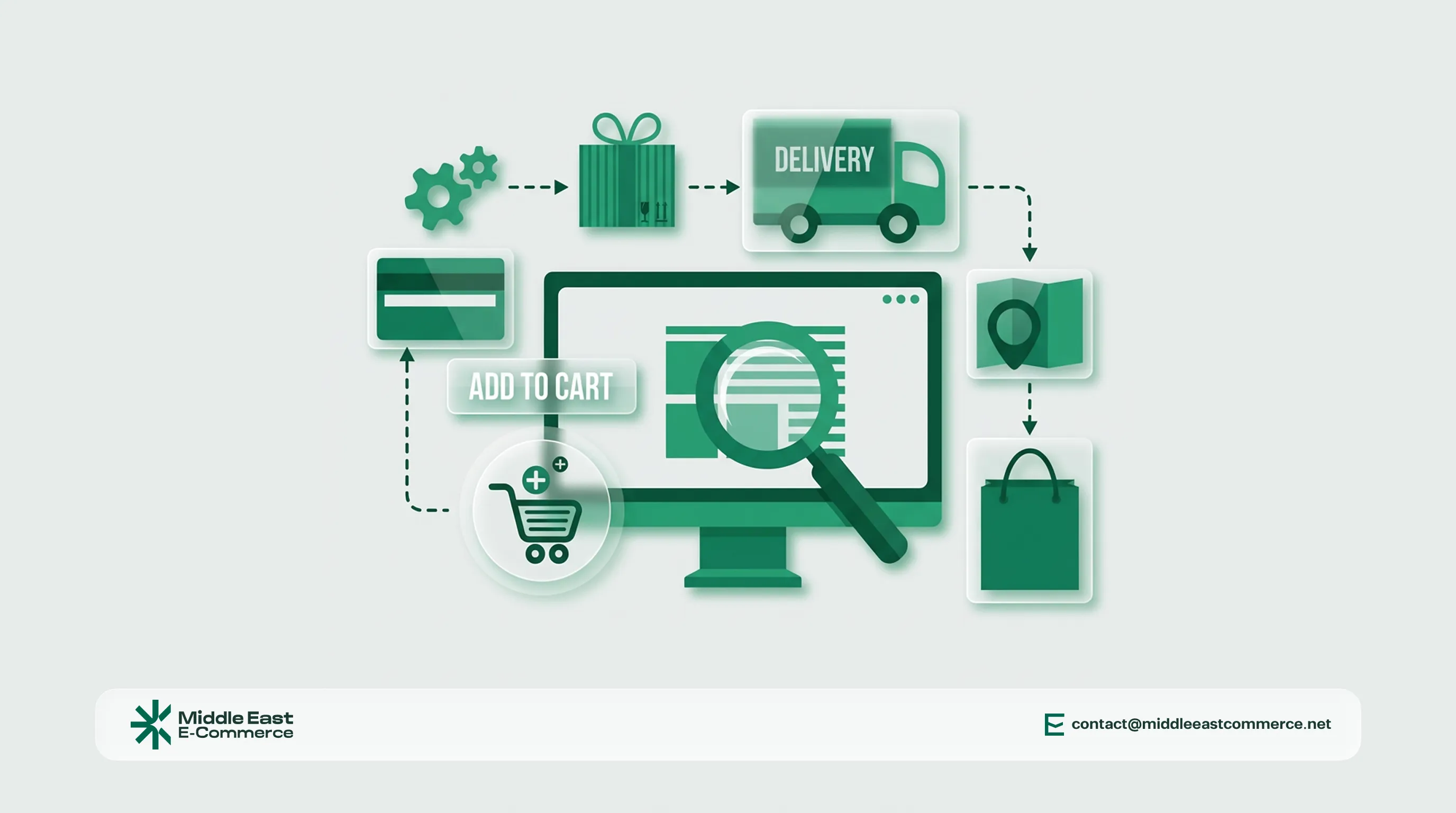
If you want your online store to run smoothly in 2026, you need the right tools to manage products, track orders, and understand your customers.
In this article, you’ll see the e-commerce solutions and e-commerce tools that help you handle these tasks easily, keep your store organized, and make smarter decisions that grow your sales.
Essential E-Commerce Tools in 2026
The right e-commerce tools help you stay in control by keeping your operations organized and easier to manage.
When your tools work well together, you can spend less time on manual tasks and more time improving your store and increasing your sales.
Keyword research and demand tools
Before you sell anything, you need to know what people are actually searching for. This is where e-commerce analytics helps you spot trends and demand patterns.
For example, when you check search data using Google tools like Google Trends, you can see when interest in products like wireless earbuds or skincare sets rises during certain months.
This helps you choose products with real demand instead of guessing, which saves you time and reduces the risk of slow sales.
Traffic and conversion tracking tools
You can’t improve your performance if you don’t know what visitors are doing in your store. Tools like Google Analytics show you where your visitors come from, which pages they view, and where they leave.
This insight helps you make better decisions in your online store management, such as fixing weak product pages or focusing more on traffic sources that bring buyers instead of just visitors.
User experience and conversion rate optimization tools
Sometimes visitors leave without buying because something feels confusing or inconvenient.
Behavior tracking tools like Hotjar let you see heatmaps and session recordings, so you understand how people interact with your pages.
These e-commerce tools help you identify issues like hidden buttons, slow-loading sections, or unclear product descriptions, so you can make small changes that lead to more completed purchases.
Customer shipment tracking tools
After a customer places an order, they want to know where it is and when it will arrive. Shipment tracking systems like AfterShip allow you to automatically send tracking updates by email or SMS.
This builds trust and reduces customer support questions, especially if you run online stores that serve customers in different cities or countries.
Shipping management and label printing tools
Handling shipping manually becomes difficult as your order volume grows. Platforms like ShipStation help you print labels, compare carrier rates, and manage multiple deliveries from one dashboard.
These e-commerce solutions save you time and reduce errors, especially when you ship dozens or hundreds of orders every week.
Messaging marketing and customer retention tools
Most customers don’t buy the first time they visit your store. Email and SMS tools like Klaviyo help you send reminders, welcome messages, and special offers based on customer behavior.
With e-commerce automation, you can automatically follow up with someone who abandoned their cart or suggest products based on past purchases, which helps bring customers back.
Automation and system integration tools
As your business grows, you’ll likely use multiple systems for orders, marketing, and inventory. Integration tools like Zapier connect these systems so they work together.
For example, when someone places an order on your Shopify store, their details can automatically be added to your email list.
This keeps your e-commerce platform organized and reduces repetitive manual work.
Product visibility tools for shopping results
If people can’t find your products, they can’t buy them. Listing your products on shopping channels like Google Merchant Center helps your items appear in search results with images and prices.
This is essential when you build an online store, because it brings in buyers who are already searching for products like yours and ready to make a purchase.

Why Do You Need a Unified E-Commerce Solution?
Running your store with disconnected systems can quickly become confusing and time-consuming.
When your orders, payments, customer messages, and shipping tools are spread across different dashboards, it becomes harder to stay organized and respond quickly.
Tool fragmentation increases costs and slows operations
When you use separate systems for orders, payments, shipping, and customer data, you waste time switching between dashboards and copying information manually.
For example, if your store runs on Shopify but your shipping and reporting are handled elsewhere, you may need to repeat the same steps multiple times for a single order.
Using one connected e-commerce platform keeps everything in one place, so you can process orders faster, avoid mistakes, and focus more on growing your store instead of managing tools.
Communication outside the platform reduces deal closure rates
When customer conversations are scattered across email, chat apps, and social media, it becomes harder to track who is ready to buy. You might forget to follow up, or customers may lose interest if they don’t get a quick reply.
Centralized systems like middle east help you keep messages, order history, and customer details together.
With e-commerce automation, you can send reminders, confirmations, and follow-ups automatically, which helps you close more sales and build stronger relationships with your customers.
How Does Middle East Ensure a Successful E-Commerce Experience?
Managing cross-border sales and multiple customer interactions can quickly get complicated if your tools aren’t connected.
Middle East simplifies this by offering a single e-commerce platform where you can handle everything from listings to customer messages in one place.
This makes your operations smoother, reduces mistakes, and helps you focus on growing your store instead of juggling separate tools.
An all-in-one platform instead of scattered tools
Instead of forcing you to connect multiple services, Middle East gives you everything in one place, from product listings to customer communication and order tracking.
This makes it easier to manage your business without switching between dashboards or repeating the same steps.
Unlike using separate tools alongside platforms like Shopify, a unified e-commerce platform helps you save time, reduce mistakes, and keep your operations simple and organized.
Cross-border selling without language complexity
Selling to customers in different countries can be difficult when language becomes a barrier.
Middle East supports communication tools that help you interact with buyers in their preferred language, so you don’t lose sales due to misunderstandings.
This makes it easier to build an online store that serves international customers, expand into new markets, and create a better buying experience for people outside your local region.
Higher privacy because communication stays inside the platform
When customer conversations happen outside your system, you risk losing important details or exposing sensitive information.
Middle East keeps messages, orders, and customer data in one secure environment, so you always have full visibility and control.
This improves your online store management by helping you track conversations, protect customer privacy, and respond faster without relying on external apps or scattered communication channels.

Core In-Platform Tools to Improve Online Store Performance
Managing a successful online store depends on having the right tools at your fingertips.
Middle East provides a suite of e-commerce tools that help you manage products, track orders, and measure performance all from one place.
By keeping everything in a single platform, you can spend less time juggling systems and more time making decisions that grow your store and keep customers happy.
Build a store and manage products
You can create your store and add products quickly without needing extra software.
From uploading images to setting prices and categories, the platform keeps your inventory organized and easy to update.
These e-commerce solutions let you focus on adding value to your products instead of worrying about manual setup.
Order management and tracking
Tracking orders and keeping customers informed is simple when everything is in one dashboard.
You can see order status, update shipping details, and handle returns efficiently.
Using these e-commerce tools reduces errors and ensures your customers always know where their purchases are.
Performance measurement and optimization
Knowing how your store is performing is key to making improvements. Built-in analytics let you track sales, customer behavior, and product performance in real time.
With e-commerce analytics, you can identify trends, spot issues, and make smarter decisions that boost revenue and improve the shopping experience.

FAQs About E-Commerce Solutions and Tools
1- What are the most common e-commerce solutions?
The most common e-commerce solutions are all-in-one platforms that let you build, manage, and grow your online store.
These include platforms that handle product listings, payments, order processing, shipping, and customer communication without needing separate systems.
They give you a central place to run your business and make day-to-day operations easier.
2- What are the most important e-commerce tools?
The most important e-commerce tools are the ones that help you manage inventory, track orders, communicate with customers, and monitor performance.
Examples include product management dashboards, shipment tracking systems, analytics for sales and traffic, and marketing automation tools. Using these tools together ensures your store runs smoothly and keeps customers satisfied.
Conversation
Comments
Be the first to comment.
Leave a comment