
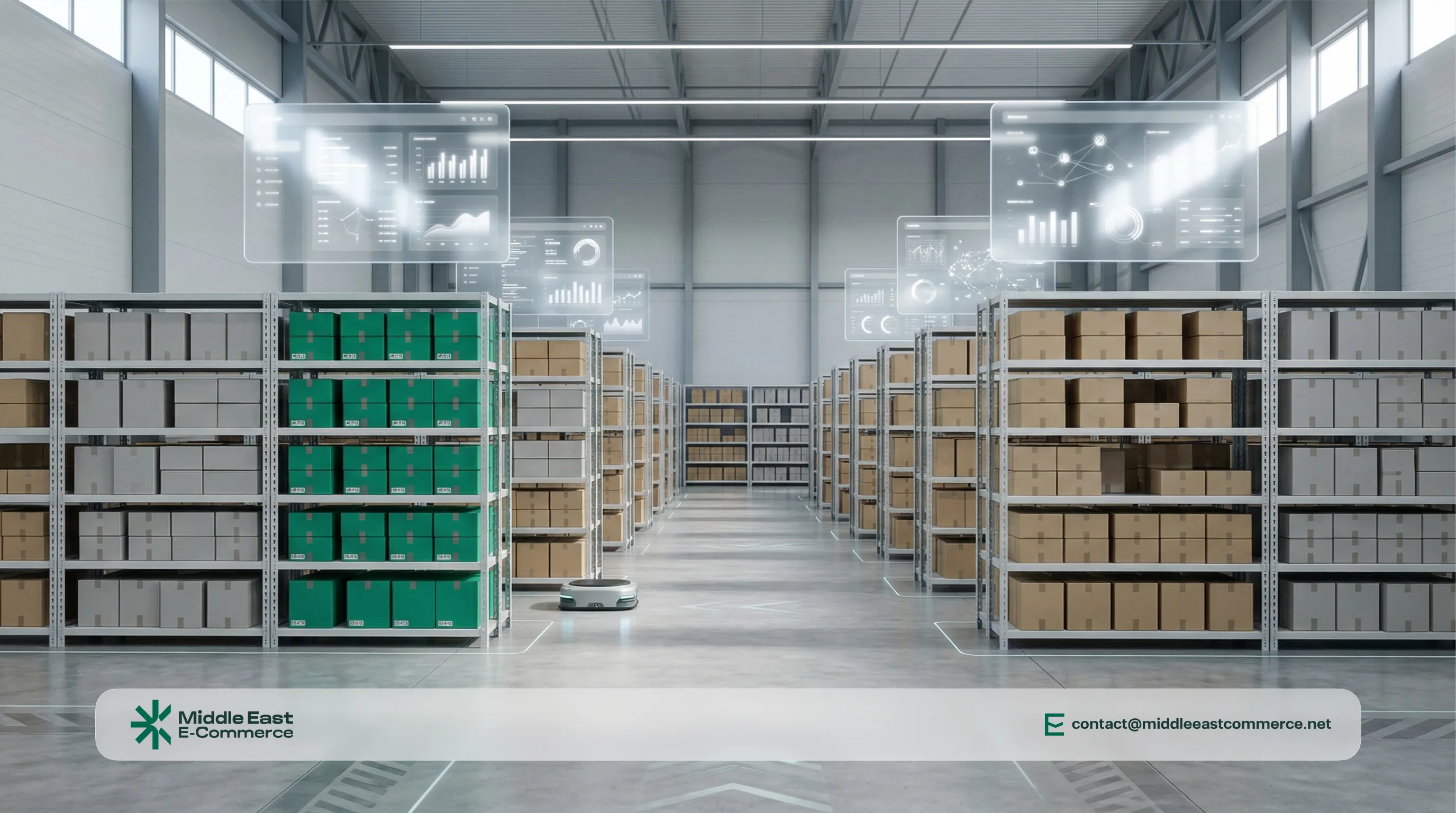
If you run an online store, you know that selling a product is only half the battle. Getting it to your customer on time and in good condition is just as important and that’s where e-commerce logistics comes in. How you manage inventory, pack orders, ship them, and handle returns can make a big difference in how happy your customers are and how smoothly your business runs.
In this guide, you’ll see exactly how e-commerce logistics works in 2026. You’ll follow an order from the warehouse to the customer’s doorstep, explore different ways to store and handle stock, learn how to deal with common problems, and get practical tips to improve your process
What Is E-Commerce Logistics?
E-commerce logistics refers to the planning, implementation, and management of the movement of goods from an online store to the customer’s doorstep. Unlike traditional retail logistics, e-commerce logistics must handle high order volumes, frequent small shipments, and fast delivery expectations. Efficient e-commerce logistics ensures that products are stored, picked, packed, shipped, and delivered seamlessly, enhancing customer satisfaction and loyalty.
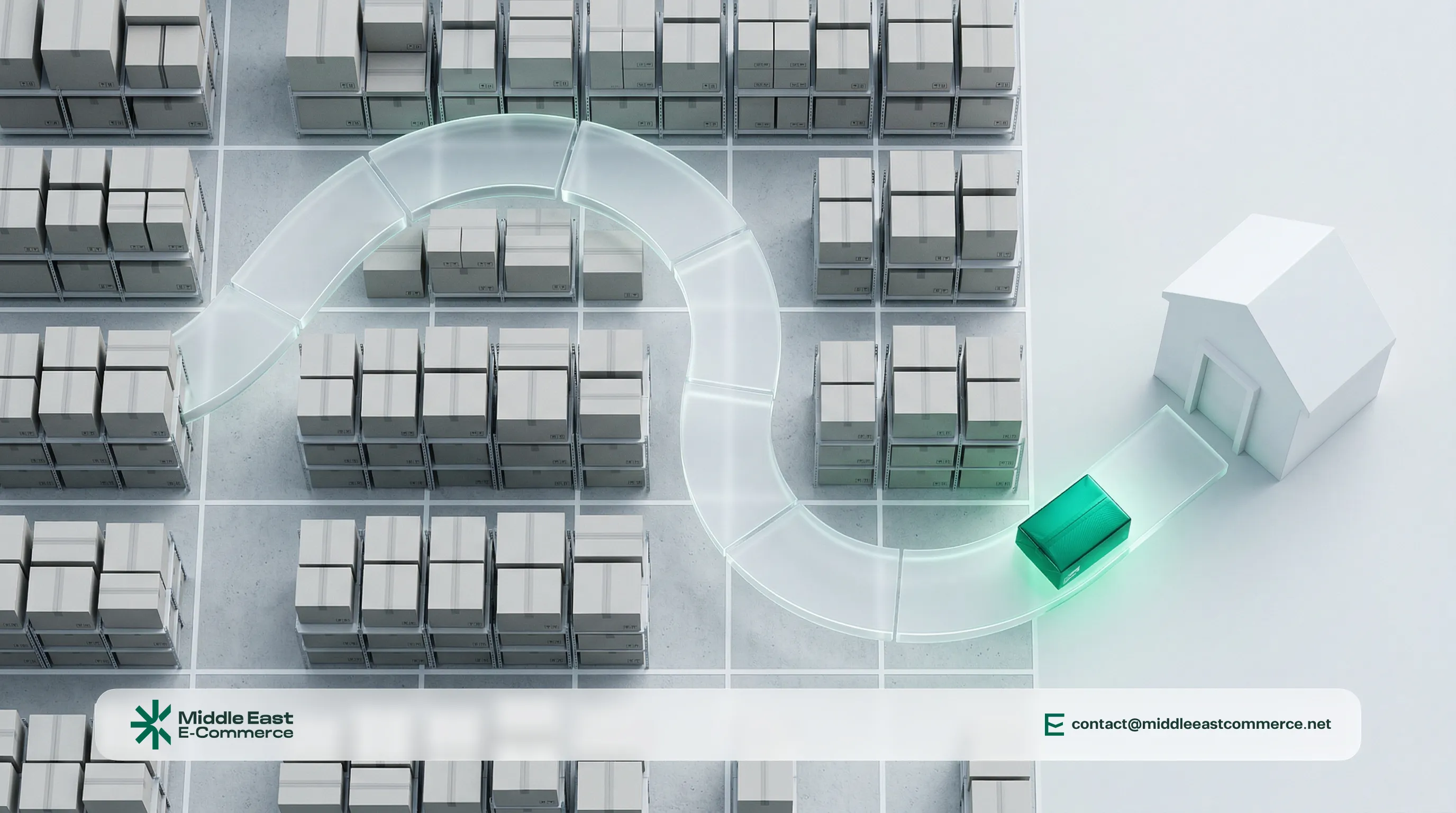
Logistics vs supply chain in e-commerce
While often used interchangeably, logistics and the supply chain in e-commerce have distinct roles. Logistics focuses on the operational side: inventory management, warehousing, packing, shipping, and last-mile delivery.
The supply chain is the broader network that includes sourcing raw materials, managing suppliers, forecasting demand, and coordinating production alongside logistics. Optimizing both is crucial to minimize costs and meet fast delivery expectations.
The order journey: warehouse to doorstep
In e-commerce, every order follows a specific journey before it reaches the customer:
Warehousing for E-Commerce: Products are stored in specialized e-commerce warehouses optimized for quick picking and packing.
Order Processing: Once a customer places an order, the warehouse team picks the items, packs them securely, and generates shipping labels.
Fulfillment for E-Commerce: The packed order enters the fulfillment process, which may include integration with third-party logistics providers or in-house delivery teams. Using fulfillment for e-commerce ensures orders move smoothly through this stage.
Shipping & Last-Mile Delivery: Efficient shipping ensures the order reaches the customer quickly. The last mile delivering from the local hub to the customer’s doorstep is often the most complex and expensive part of the journey.
The Core Building Blocks of E-Commerce Logistics
Successful e-commerce operations rely on a set of core building blocks that ensure products move efficiently from suppliers to customers. Understanding these components is key to improving customer satisfaction, reducing costs, and scaling your business.
1- Inventory management
Proper inventory management is the backbone of e-commerce logistics. By keeping accurate stock levels and predicting demand, businesses can avoid stockouts and overstock situations. Modern digital tools help track products in real time, making digital logistics for e-commerce more efficient and reliable.
2- Warehousing and storage
Warehousing and storage solutions are crucial for holding inventory safely and organizing products for quick access. E-commerce warehouses are designed to optimize space, reduce handling time, and integrate with order management systems. Choosing the right e-commerce logistics storage solutions ensures faster processing and lower operational costs.
3- Picking and packing
Once an order is placed, items must be picked from the warehouse and packed securely for shipment. Efficient picking and packing not only prevent errors but also improve delivery speed. This step is central to fulfillment for e-commerce, which ensures orders are accurate and arrive in perfect condition.
4- Shipping and carrier management
Selecting the right shipping carriers and managing delivery schedules is essential for meeting customer expectations. Businesses often use a mix of courier services and third-party logistics providers to optimize costs and speed. Effective e-commerce shipping solutions make this process seamless and scalable.
5- Last-mile delivery
The last mile is the final leg of the journey, delivering the product directly to the customer’s doorstep. It is often the most challenging and expensive stage, requiring precise tracking, flexible routing, and reliable drivers. Optimizing last mile delivery e-commerce is key to enhancing the customer experience and maintaining brand loyalty.
6- Returns and reverse logistics
Handling returns efficiently is a critical part of e-commerce logistics. Reverse logistics involves receiving returned products, inspecting them, and restocking or disposing of them properly. Streamlined returns management reduces losses and strengthens trust, completing a robust supply chain in e-commerce.
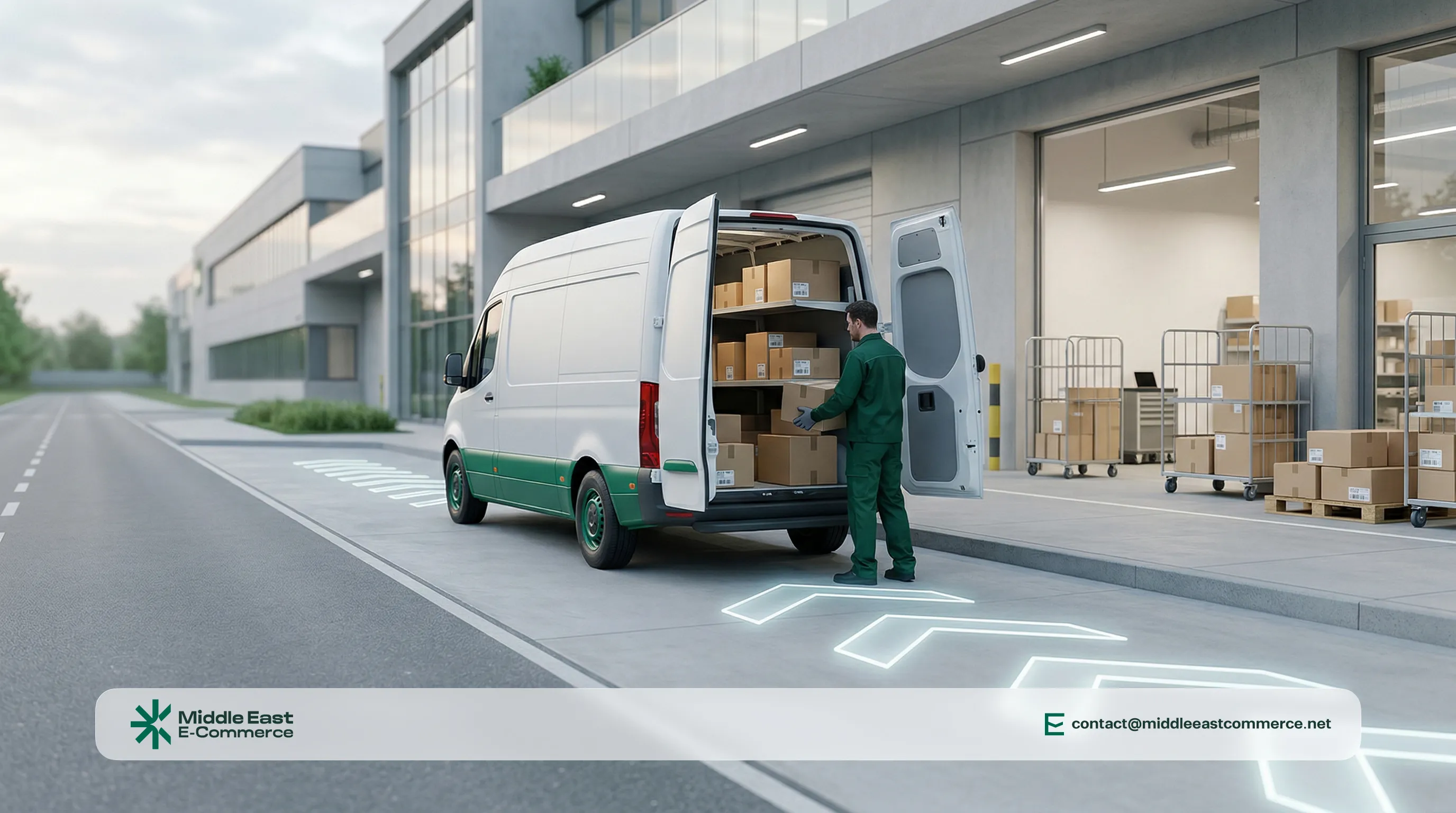
How E-Commerce Logistics Works Step by Step?
Understanding how e-commerce logistics operates from start to finish is essential for running a smooth online business. Each step ensures that products move efficiently from the warehouse to the customer’s doorstep while maintaining accuracy and speed.
1- Receiving stock and updating inventory
The process begins when new stock arrives at the warehouse. Every item is checked for quality, recorded, and added to the system. Accurate tracking at this stage helps prevent stockouts and overselling, forming a critical part of warehousing for e-commerce.
2- Processing orders and allocating stock
Once a customer places an order, the system allocates the required products from available inventory. This ensures orders are fulfilled promptly and reduces errors. Efficient order allocation is a key aspect of fulfillment for e-commerce operations.
3- Picking, packing, and labeling
After stock is allocated, warehouse staff pick the items, pack them securely, and generate shipping labels. Proper handling at this stage minimizes damages and returns. Streamlined processes improve efficiency in e-commerce logistics storage solutions.
4- Handover to carrier and tracking updates
The packed orders are handed over to carriers or delivery partners. Tracking information is generated and shared with customers, enabling real-time visibility of the shipment. This step is central to effective e-commerce shipping solutions.
5- Delivery confirmation and customer notifications
Finally, the order reaches the customer. Delivery confirmation and notifications ensure the buyer is informed, boosting satisfaction and trust. Proper management of this step is part of last mile delivery e-commerce best practices.
Warehousing Models: Which One Fits Your Business?
Choosing the right warehousing model is essential for efficiency, cost control, and scaling your e-commerce business. Each approach has its advantages depending on order volume, product type, and delivery expectations.
1- In-house warehouse
An in-house warehouse gives you full control over inventory, packing, and shipping. It’s ideal for businesses with consistent order volumes and unique product handling needs. Managing your own warehousing for e-commerce allows greater flexibility but requires significant investment in staff, space, and technology.
2- Third-party logistics (3PL)
Third-party logistics providers handle storage, packing, and shipping on behalf of your business. 3PL solutions reduce operational overhead and provide access to expert e-commerce logistics services, enabling faster delivery without the complexity of managing your own warehouse.
3- Full fulfillment (outsourced end-to-end)
Full fulfillment services take care of the entire process from inventory storage to delivery. This model is ideal for scaling rapidly, as it integrates fulfillment for e-commerce with technology, tracking, and customer notifications, reducing errors and improving speed.
4- Dropshipping (ship direct from supplier)
Dropshipping eliminates the need for holding inventory. Orders are sent directly from the supplier to the customer. While it reduces storage costs, businesses must rely on suppliers’ efficiency for e-commerce shipping solutions, making logistics control more challenging.
Shipping Strategy: Cost, Speed, and Customer Experience
A smart shipping strategy balances cost, delivery speed, and the overall customer experience. Understanding the drivers of shipping efficiency can improve satisfaction and protect profit margins.
1- What drives shipping cost (weight, size, distance, service level)
Shipping costs are influenced by weight, size, distance, and service level. Businesses must optimize packaging and choose carriers strategically to minimize expenses while maintaining service quality. Effective cost management is a core part of e-commerce shipping solutions.
2- Local vs cross-border shipping basics
Local shipping focuses on domestic delivery speed and flexibility, while cross-border shipping involves customs, duties, and longer transit times. Understanding these differences helps e-commerce businesses plan logistics that fit their market. Optimizing supply chain in e-commerce ensures international orders are delivered efficiently.
3- Shipping pricing strategies that protect margins
Setting shipping fees requires balancing competitiveness with profitability. Options include flat-rate shipping, free shipping thresholds, or real-time carrier pricing. Applying smart pricing strategies ensures your e-commerce logistics remain sustainable while meeting customer expectations.
4- Delivery promises and how to set expectations
Clear delivery promises enhance trust and customer satisfaction. Communicating realistic timelines, tracking updates, and potential delays prevents frustration. Integrating technology into digital logistics for e-commerce ensures consistent and transparent communication.
Last-Mile Delivery: Where Most Problems Happen
The last mile is usually the trickiest part of getting an order to a customer. It’s where most mistakes, delays, and complaints happen, so handling it well makes a big difference.
1- Failed delivery attempts and address quality
One of the biggest headaches is incorrect or missing addresses. If a driver can’t find the house or the address is incomplete, the delivery fails. Checking addresses when customers order and confirming details can save a lot of trouble. This is an important part of last mile delivery e-commerce.
2- Delivery time windows and customer communication
People like to know exactly when their package will arrive. Giving them realistic delivery times and sending updates along the way helps avoid frustration. Simple messages or notifications go a long way in digital logistics for e-commerce.
3- Reducing delays, complaints, and refunds
Delays and mistakes often lead to angry customers or refund requests. Planning delivery routes, keeping track of drivers, and responding quickly to issues can prevent problems. Doing this carefully improves e-commerce shipping solutions and keeps customers happy.

Returns Management: The Hidden Profit Lever
Returns are often seen as a hassle, but handling them carefully can actually protect your profits and keep customers coming back.
1- Returns policies that reduce friction without abuse
Clear and fair return policies make it easier for customers to buy without worrying. At the same time, setting limits like time frames or conditions prevents misuse. Good policies are an important part of supply chain in e-commerce.
2- Preventing returns at the product page level
Many returns happen because customers buy the wrong item or size. Detailed product descriptions, photos from multiple angles, and accurate measurements can prevent unnecessary returns. Paying attention here helps with e-commerce logistics storage solutions.
3- Processing returns: restock, refurbish, resell, or dispose
Once a return comes back, decisions need to be made quickly. Some items can be restocked, others refurbished or resold, and a few may need to be disposed of. Handling returns efficiently saves time and money, and it’s part of effective fulfillment for e-commerce.
KPIs That Matter in E-Commerce Logistics
Tracking the right numbers helps you see how well your e-commerce logistics are working and where improvements are needed.
1- Order processing time
How long it takes to get an order from the system to shipping matters a lot. Faster processing keeps customers happy. Monitoring fulfillment for e-commerce helps identify bottlenecks.
2- First-attempt delivery success rate
Getting orders delivered the first time correctly saves money and avoids frustration. Tracking this KPI helps you measure the reliability of your last mile delivery e-commerce.
3- Shipping cost per orderlast-mile
Knowing how much each shipment costs helps with pricing and profit planning. Keeping this cost reasonable is part of managing e-commerce shipping solutions.
4- Delivery time and SLA adherence
Meeting promised delivery times keeps customers satisfied. Tracking actual delivery versus promised time shows how well your logistics are performing. This is essential for digital logistics for e-commerce.
5- Return rate and top return reasons
Understanding how many orders are returned and why can highlight problems with products, descriptions, or shipping. Monitoring this metric is part of improving the overall supply chain in e-commerce.
Common Logistics Problems and What to Do?
Running e-commerce logistics smoothly isn’t always easy. There are common challenges that many businesses face, but knowing how to handle them can make a big difference.
1- Stockouts and overselling
Nothing frustrates customers more than ordering something that isn’t in stock. Keeping an eye on inventory levels and updating them in real time helps prevent stockouts and overselling. This is a key part of warehousing for e-commerce.
2- Peak-season delays and capacity limits
Holidays and special sales can overwhelm warehouses and carriers, causing delays. Planning ahead, adding temporary staff, or working with extra carriers can help manage the rush. Proper planning supports smooth e-commerce logistics even during busy periods.
3- Carrier performance variance
Not all carriers are equally reliable. Some may be fast and careful, while others may have delays or mishandled packages. Tracking delivery performance and picking dependable partners improves e-commerce shipping solutions.
4- High shipping costs eating margins
Shipping costs can quickly eat into profits, especially for small or lightweight items. Comparing carriers, negotiating rates, or adjusting packaging sizes can help manage costs. This is part of smart digital logistics for e-commerce management.
5- Uncontrolled returns and refund leakage
When returns aren’t tracked properly, businesses lose money on refunds, restocking, and shipping. Having a clear returns process and monitoring returned items keeps losses in check and protects the supply chain in e-commerce.
A Quick Optimization Plan
Even small changes in your e-commerce logistics can make a noticeable difference in cost, speed, and customer satisfaction. Here’s a practical approach you can start with.
1- Start with inventory accuracy and faster picking
Accurate inventory helps prevent stockouts and overselling, while faster picking gets orders ready quickly. Keeping your warehouse organized and updating stock in real time improves warehousing for e-commerce operations.
2- Fix tracking, notifications, and delivery expectations
Customers want to know where their orders are at all times. Clear tracking and timely notifications help avoid confusion and complaints. Paying attention to this stage strengthens digital logistics for e-commerce.
3- Benchmark carriers and add a backup option
Not every carrier performs the same way. Comparing delivery times, costs, and reliability helps you pick the right partners. Having a backup carrier ready keeps your e-commerce shipping solutions consistent even if one provider faces delays.
4- Reduce returns via better product content and sizing clarity
Many returns happen because product information isn’t clear. High-quality photos, detailed descriptions, and accurate sizing reduce mistakes and unnecessary returns. This approach supports a healthier supply chain in e-commerce.
Why Middle East Helps Simplify Logistics Operations?
The Middle East platform is designed to make e-commerce logistics easier for businesses by bringing many processes into one place. Here’s how it helps:
1- Centralized order management in one system
With Middle East, all your orders from multiple channels can be handled in a single dashboard. This reduces errors and keeps operations smoother, improving digital logistics for e-commerce.
2- A smoother buyer journey that reduces support load
The platform gives customers clear tracking and updates, which means fewer calls or complaints. This creates a better experience and supports e-commerce shipping solutions.
3- Cross-border readiness with less operational fragmentation
Middle East helps manage cross-border shipping without gaps or delays. It keeps international logistics simple and improves the supply chain in e-commerce.
4- Performance insights to spot bottlenecks faster
Built-in analytics show where delays or stock issues happen, so you can fix them quickly. This makes managing e-commerce logistics easier and more transparent.
FAQs About E-Commerce Logistics
What are the 7 pillars of e-commerce logistics?
The main areas include inventory management, warehousing, picking and packing, shipping, last-mile delivery, returns, and tracking performance. Paying attention to each step helps ensure smooth fulfillment for e-commerce.
How do e-commerce companies make money if shipping is expensive?
Many companies balance shipping costs with product pricing, negotiate rates with carriers, or offer combined shipping for multiple items. Managing these costs carefully is part of effective e-commerce shipping solutions.
What are the “new rules” of e-commerce logistics in 2026?
Faster delivery, better tracking, clear returns policies, and smart use of digital tools are becoming standard. Keeping up with these practices improves digital logistics for e-commerce.
What are the basics of e-commerce logistics for beginners?
Start by tracking your inventory accurately, organizing your warehouse, packing orders efficiently, and working with reliable delivery partners. Learning these basics lays the foundation for solid warehousing for e-commerce.
Conversation
Comments
Be the first to comment.
Leave a comment