
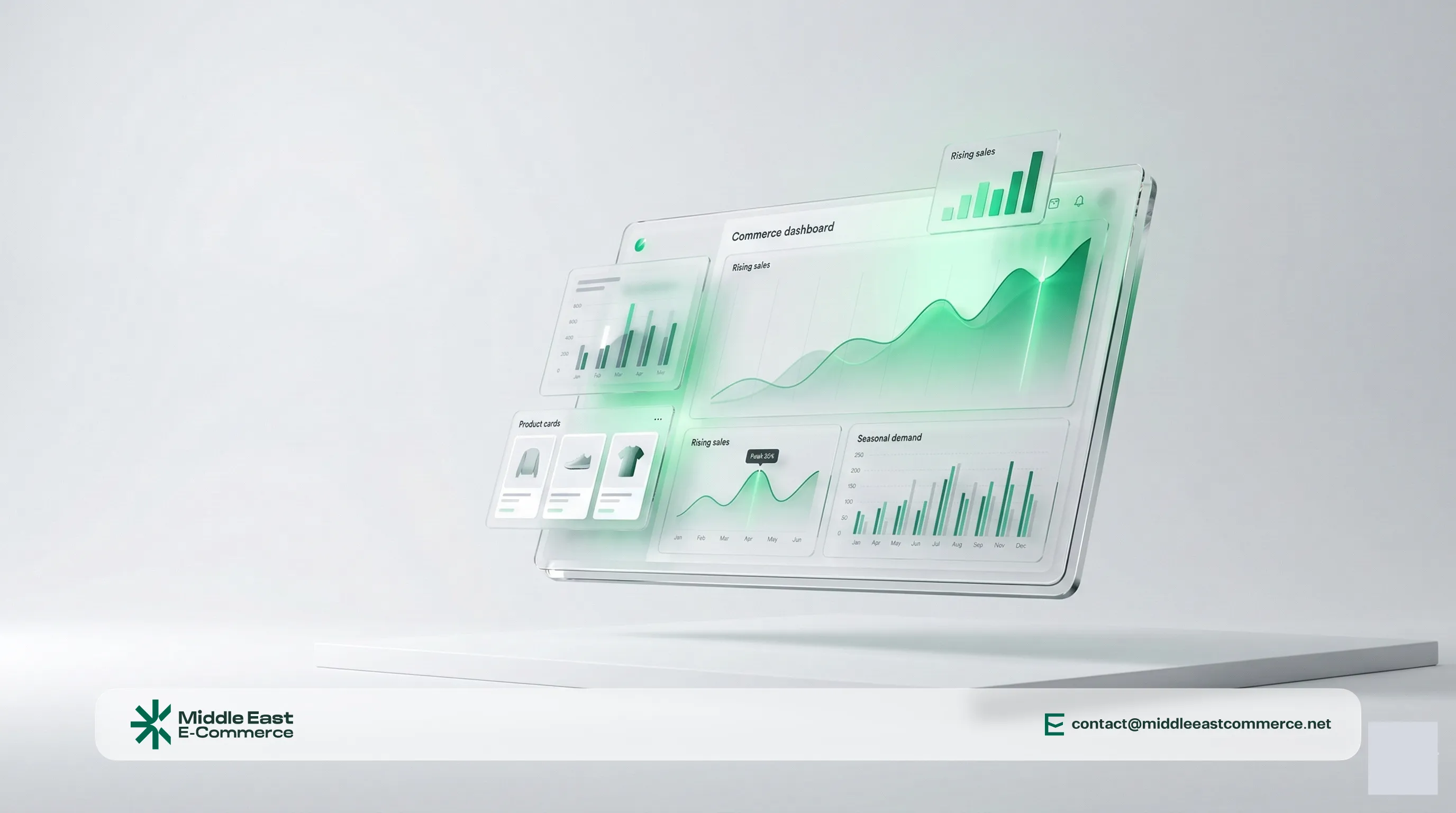
If you run an online store, you already know that some months feel completely different from the rest of the year. Traffic grows quickly, customers browse more products, and orders can rise within a few days.
These busy periods are often where a large part of your yearly revenue happens. To benefit from them, you need clear e-commerce seasonal strategies that help you prepare for higher demand, organize inventory, and adjust your marketing before the rush begins.
What “Peak Seasons” Mean in E-Commerce?
In e-commerce, peak seasons are the times when shoppers are more active and ready to spend. These periods usually come with higher traffic, stronger purchase intent, and more competition between stores. Understanding ecommerce sales timing helps you plan when to launch campaigns, adjust prices, and restock products so your store is ready when customers begin searching and buying.
1- Religious, social, and holiday seasons
Many online stores see their busiest moments during holidays and cultural celebrations. Periods such as Ramadan, Christmas, and major sale events often encourage people to buy gifts, clothing, and home items. During these moments, businesses usually increase seasonal promotions for ecommerce to attract attention and encourage customers to complete their purchases while the offers are available.
2- Payday and back-to-school demand spikes
Not every busy period is tied to a holiday. Some peaks happen when people receive their salaries or prepare for a new school year. During payday weeks, customers may feel more comfortable spending money online, especially on electronics, clothing, or home products. Planning targeted e commerce advertising during these moments can help you reach shoppers while they are already thinking about buying.
3- Short peak vs extended season (and how each behaves)
Some peak seasons last only a few days, like flash sale events, while others continue for weeks, such as holiday shopping periods. Short peaks require quick reactions and clear messaging, while longer seasons allow you to guide customers step by step from browsing to purchase. Understanding the e-commerce customer journey during each type of season helps you decide when to run ads, when to introduce discounts, and when to focus on closing sales.
Understanding Seasonal Buying Behavior
When peak seasons arrive, customer behavior changes in noticeable ways. People browse faster, compare fewer options, and make purchase decisions more quickly than usual. As a store owner, you need to pay attention to e-commerce peak season sales patterns so you can understand what customers are looking for and how quickly they are ready to buy during these busy periods.
1- Gift-driven intent vs need-driven intent
Not all seasonal purchases happen for the same reason. During holidays, many shoppers are looking for gifts for family or friends, which means they care about presentation, bundles, and delivery timing. At other times, customers buy products because they actually need them, such as school supplies or winter clothing. Recognizing the difference helps you plan better seasonal e-commerce marketing that speaks directly to what your customers have in mind.
2- How price and delivery urgency change during peaks
During peak seasons, customers often pay closer attention to discounts and delivery speed. A small price difference or a faster shipping option can strongly influence their decision. This is why many stores adjust their pricing strategy and shipping offers during busy periods. When you study these changes carefully, you begin to see how e commerce increase sales by aligning prices, delivery promises, and customer expectations at the right moment.
3- How the customer journey compresses in peak seasons
In regular months, customers might spend days researching products before making a purchase. During peak seasons, that timeline often becomes much shorter. A shopper may see an ad, visit your site, and place an order within minutes. This is why careful peak season campaign planning matters. When your messaging, product pages, and offers are clear, customers can move from interest to purchase without hesitation.
Pre-Season Planning: Store Readiness Before You Spend
Before you start spending money on ads, you need to make sure your store is fully prepared for the coming rush. Many businesses focus only on marketing, but preparation often has a bigger impact on results. When your store is ready, traffic turns into actual orders instead of lost opportunities.
1- Inventory planning, alternatives, and stockout prevention
Running out of popular products during a busy season can quickly slow down sales. That’s why you should review your best-selling items from previous seasons and estimate how demand might grow this year. It’s also smart to prepare alternative products that customers can choose if the main item sells out
2- Product pages: clarity, trust, shipping, and returns
During peak seasons, customers usually move faster when browsing products. They don’t want to spend time searching for basic details like delivery time, product size, or return policies. Clear descriptions, honest photos, and visible shipping information help people make decisions more easily.
3- Tracking setup: core conversion events before launch
Before launching campaigns, make sure your tracking tools are working properly. Key actions like product views, add-to-cart events, and purchases should be recorded accurately. This data helps you improve e commerce advertising by showing which ads actually lead to sales.
4- Bundles and offers without margin collapse
Bundles and limited-time offers are common during busy periods, but they need careful planning. Large discounts may increase orders but reduce profits. Instead, combine related products or offer small incentives like free shipping to support seasonal promotions for ecommerce while keeping margins stable.
Choosing the Right Products for the Season
Not every product in your store will perform the same during busy periods. Some items attract attention quickly, while others may sell slowly even with heavy promotion. Looking at past sales data and customer behavior can help you decide which products deserve more visibility. Making smart product choices is an important part of e-commerce seasonal strategies, especially when demand starts rising.
1- High-demand items vs high-margin items
During peak seasons, high-demand products often bring the most traffic to your store. These items attract shoppers who are already searching for them. At the same time, high-margin products help maintain healthy profits. A balanced mix of both can support steady e-commerce peak season sales, where popular products draw customers in and higher-margin items increase overall revenue.
2- Bundles to increase AOV
Bundles can encourage customers to buy more items in a single order. For example, pairing related products like accessories with a main product makes the purchase feel more complete. This approach is commonly used in seasonal e-commerce marketing, especially when customers are shopping for gifts or preparing for a specific event.
3- “Fast-decision” products to improve conversion
Some products are easier to buy without much thinking. These are usually affordable items, everyday products, or simple accessories that customers can add to their cart quickly. Featuring these items during busy periods can help increase conversions and support how e commerce increase sales when customers are making quicker decisions.
4- Managing slow movers during the season
Slow-moving products don’t have to stay hidden during peak seasons. You can include them in bundles, offer small discounts, or highlight them as complementary items next to popular products. With careful promotion, even these products can benefit from increased traffic during seasonal promotions for ecommerce.
E-commerce Seasonal Strategies That Sell Without Killing Profit
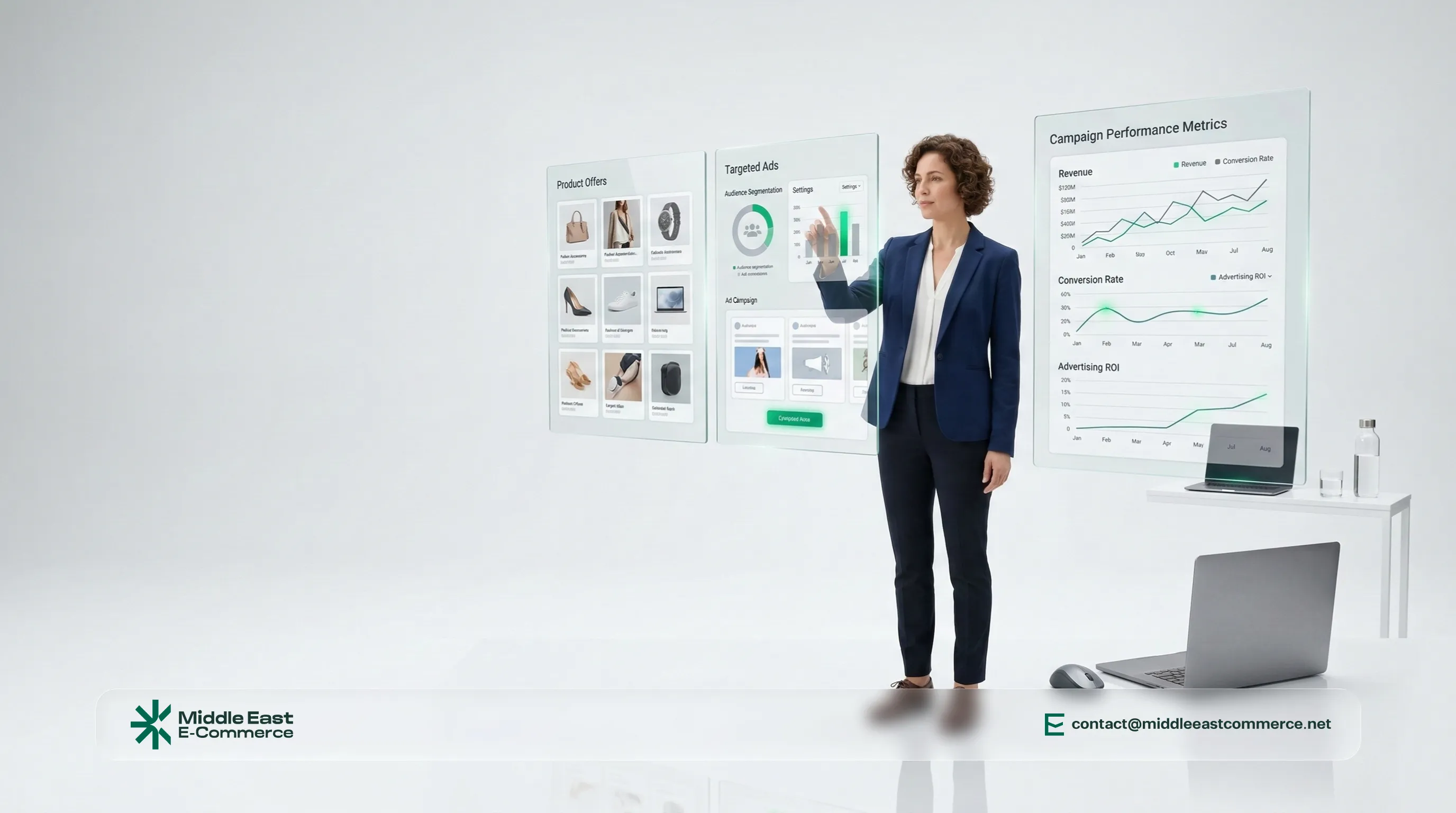
Seasonal promotions can lead to a significant increase in orders, but they require careful planning. If every product is heavily discounted, your sales may rise while your profit shrinks. A better approach is to create offers that attract attention without lowering prices across the entire store. This balance is important for successful seasonal promotions for e-commerce, especially when demand is already high.
1- Smart discounts vs storewide markdowns
Instead of discounting everything, focus on selected products that are more likely to attract buyers. These could be popular items, seasonal products, or bundles that already sell well. Targeted discounts often perform better than storewide sales and help maintain healthy e-commerce peak season sales without cutting too deeply into profits.
2- Limited-time offers to create urgency
Limited-time deals can encourage shoppers to make faster decisions. When customers see that an offer will end soon, they are more likely to complete the purchase instead of delaying it. These types of campaigns are often used in seasonal e-commerce marketing, especially during short peak events or flash sale periods.
3- Targeted coupons for specific segments
Not every customer needs the same type of offer. Some shoppers respond well to coupons sent through email or SMS, while others react better to loyalty rewards or first-time buyer discounts. Using targeted offers like these can support e commerce advertising by directing promotions to the people most likely to use them.
4- Gifts and free shipping (when it beats discounting)
In some cases, offering a small gift or free shipping can work better than lowering the product price. Customers often see these extras as added value rather than a simple discount. When used carefully, these incentives can improve how e commerce increase sales while keeping your pricing structure stable.
Timing Strategy: When to Start, Push, and Cool Down
Peak seasons usually follow a pattern. There’s a period before the rush, the main sales window, and the time after demand slows down. When you understand ecommerce sales timing, you can decide when to increase promotions, when to focus on best sellers, and when to gradually reduce campaigns.
1- Pre-peak warm-up phase
Before the busy period begins, start preparing your audience. Share product highlights, early offers, and useful content that introduces seasonal items. This stage helps build interest and supports seasonal e-commerce marketing before the main sales wave arrives.
2- Peak phase: focus on proven winners
During the main peak, attention should go to the products that already perform well. These items usually have stronger demand and better conversion rates. Prioritizing them helps maintain steady e-commerce peak season sales when traffic is at its highest.
3- Last-days phase: controlled clearance without chaos
As the season approaches its end, some products may remain in stock. Instead of rushing into deep discounts, you can create limited offers or bundles to clear inventory gradually. This approach fits well within planned e-commerce seasonal strategies and keeps pricing under control.
4- Post-season phase: turn buyers into repeat customers
The end of a peak season is a good time to stay connected with customers who already bought from you. Follow-up emails, loyalty offers, and product recommendations can bring them back later. This step supports how e commerce increase sales beyond the peak itself.
Paid Ads During Peak Seasons (PPC)
Paid ads can play a major role in attracting visitors during busy periods. However, campaigns need clear planning so your budget focuses on actions that actually drive results. Well-structured e commerce advertising helps bring the right shoppers to your store when they are ready to buy.
1- Pre-season awareness campaigns
Before the peak starts, run campaigns that introduce your products and seasonal offers. These ads help people discover your brand early and begin exploring your store. This early exposure supports peak season campaign planning by warming up potential customers.
2- In-season high-intent campaigns
Once the peak begins, shift your focus toward shoppers who are actively searching for products. Search ads, product listings, and strong product-focused campaigns can capture buyers who are ready to purchase. This approach helps drive stronger e-commerce peak season sales.
3- Retargeting and cart recovery
Many visitors will browse products but leave without buying. Retargeting ads and cart reminder campaigns help bring them back. These campaigns work well during busy periods because they reconnect with customers who already showed interest, improving the e-commerce customer journey.
4- Budget control based on profit—not noise
During peak seasons, ad performance numbers can change quickly. Instead of reacting to every fluctuation, focus on metrics that reflect real profit, such as cost per purchase and return on ad spend. This approach keeps e commerce advertising focused on meaningful results rather than short-term spikes.
Seasonal Content That Moves Decisions Faster
During peak seasons, customers often decide quickly. Your content should be clear, relevant, and focused on helping them make a choice. Using the right messaging can guide shoppers efficiently, making seasonal e-commerce marketing more effective.
1- Season-relevant messaging without fluff
Avoid long, generic copy. Highlight why a product matters for the current season, such as gifts, school prep, or holiday needs. Simple, direct messages keep customers focused and ready to buy, supporting e-commerce peak season sales.
2- Short-form video that demonstrates value
Quick videos showing how a product works or how it solves a problem can influence fast decisions. Even a 15–30 second clip can make a big difference. These videos help improve e-commerce customer journey by showing value clearly and quickly.
3- Trust proof: reviews, guarantees, clear policies
During busy periods, customers may hesitate to buy from unfamiliar stores. Displaying reviews, guarantees, and easy-to-understand shipping or return policies builds confidence. This simple step strengthens how e commerce increase sales by reducing purchase friction.
Conversion Optimization During Peak (CRO)
Even with traffic and campaigns in place, you can lose sales if your checkout experience isn’t smooth. Optimizing the purchase process ensures more visitors complete their orders, boosting e-commerce seasonal strategies.
1- Fewer checkout steps to reduce abandonment
Every extra step in checkout increases the chance of cart abandonment. Simplifying the process helps customers complete purchases faster, directly supporting e-commerce peak season sales.
2- Trust signals on product + checkout pages
Show badges, secure payment icons, and satisfaction guarantees to reassure customers. These signals reduce hesitation and increase conversions, making seasonal promotions for ecommerce more effective.
3- Mobile performance and speed improvements
Many shoppers browse and buy from their phones. Ensuring fast load times and mobile-friendly pages keeps customers from leaving mid-purchase. Mobile optimization is crucial for e-commerce customer journey success.
4- One meaningful test at a time (avoid chaos)
During peak periods, don’t try to test too many changes at once. Focus on one improvement at a time, measure results, and then decide your next step. This controlled approach helps how e commerce increase sales without creating confusion or errors.
Operations and Logistics: Prevent Service Breakdown
Smooth operations are critical during busy seasons. Even with strong traffic and offers, delays or mistakes can frustrate customers and hurt your reputation. Focusing on logistics ensures a reliable experience, supporting e-commerce seasonal strategies.
1- Clear delivery promises and proactive updates
Set realistic shipping times and communicate them clearly. Send updates if delays occur. Customers feel more confident buying when they know what to expect, boosting seasonal e-commerce marketing effectiveness.
2- Faster pick/pack and fewer fulfillment errors
Streamline warehouse operations to reduce mistakes. Efficient packing and accurate order handling prevent returns and complaints, helping maintain strong e-commerce peak season sales.
3- Customer support under pressure: templates and shortcuts
Prepare support teams with pre-written responses and quick solutions for common questions. Fast, consistent service improves the e-commerce customer journey, keeping shoppers satisfied even when volumes are high.
4- Post-season returns handling without major losses
After peak periods, returns often spike. Plan clear processes for refunds, exchanges, and restocking. Efficient handling minimizes losses and protects profit while keeping customers happy, supporting how e commerce increase sales long-term.
After the Season: Convert a Peak Into Long-Term Growth
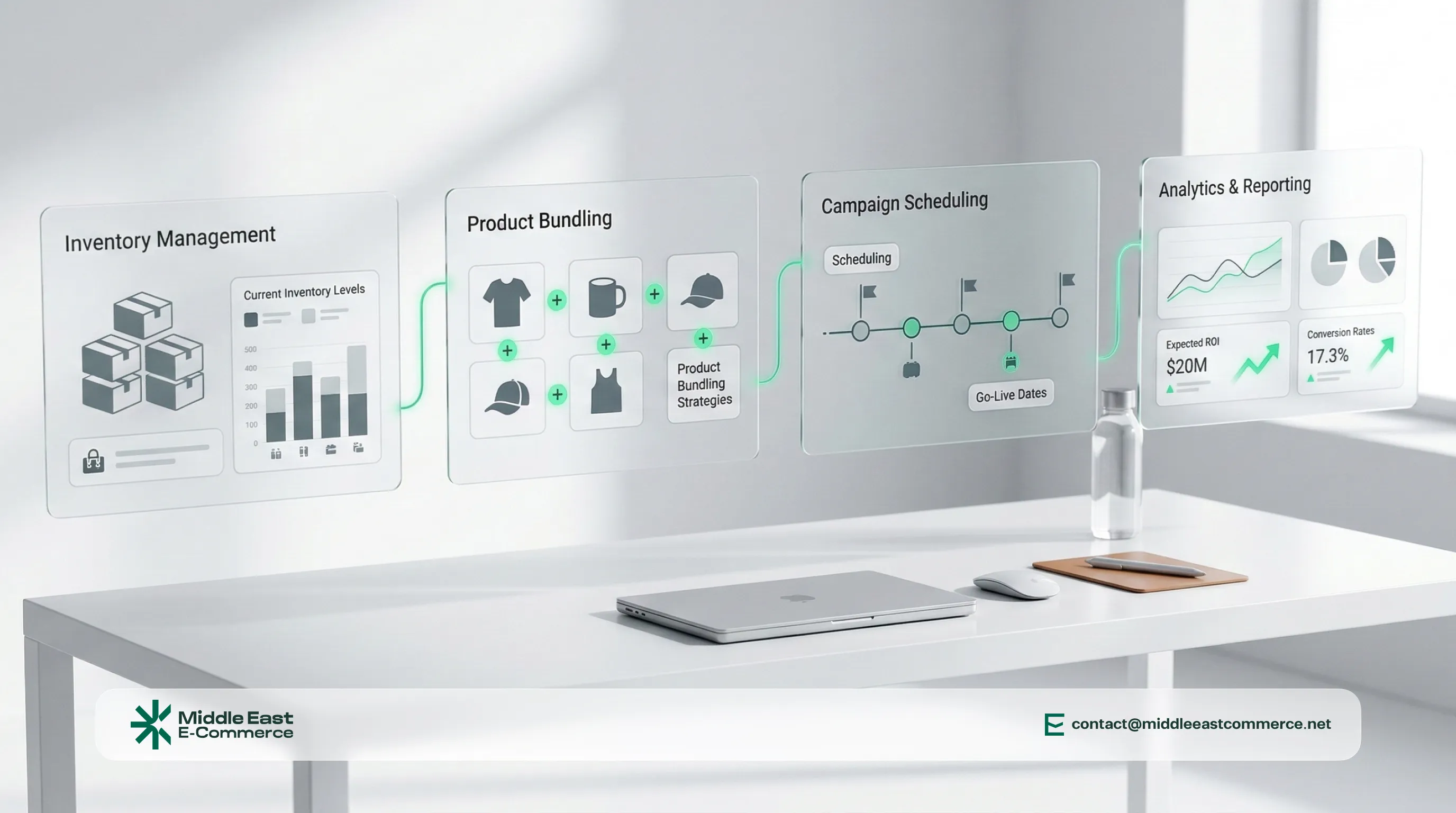
The end of a peak season isn’t the end of opportunity. How you follow up can turn one-time buyers into loyal customers. Using insights from peak performance helps refine future campaigns, part of smart e-commerce seasonal strategies.
1- Retention flows and repeat-purchase campaigns
Send follow-up emails, personalized offers, and loyalty incentives to buyers from the peak season. Encouraging repeat purchases strengthens your customer base and improves how e commerce increase sales beyond a single season.
2- Performance review: products, channels, offers, creatives
Analyze what worked and what didn’t. Review best-selling products, effective campaigns, and successful creatives. Understanding performance helps plan better peak season campaign planning for the future.
3- Use e-commerce seasonal strategies data to build the next playbook
Collect and organize all key metrics: traffic, conversion rates, ad performance, and customer behavior. This data forms the foundation for your next seasonal strategy, making future e-commerce seasonal strategies smarter and more efficient.
How Middle East Helps You Win Peak Seasons?
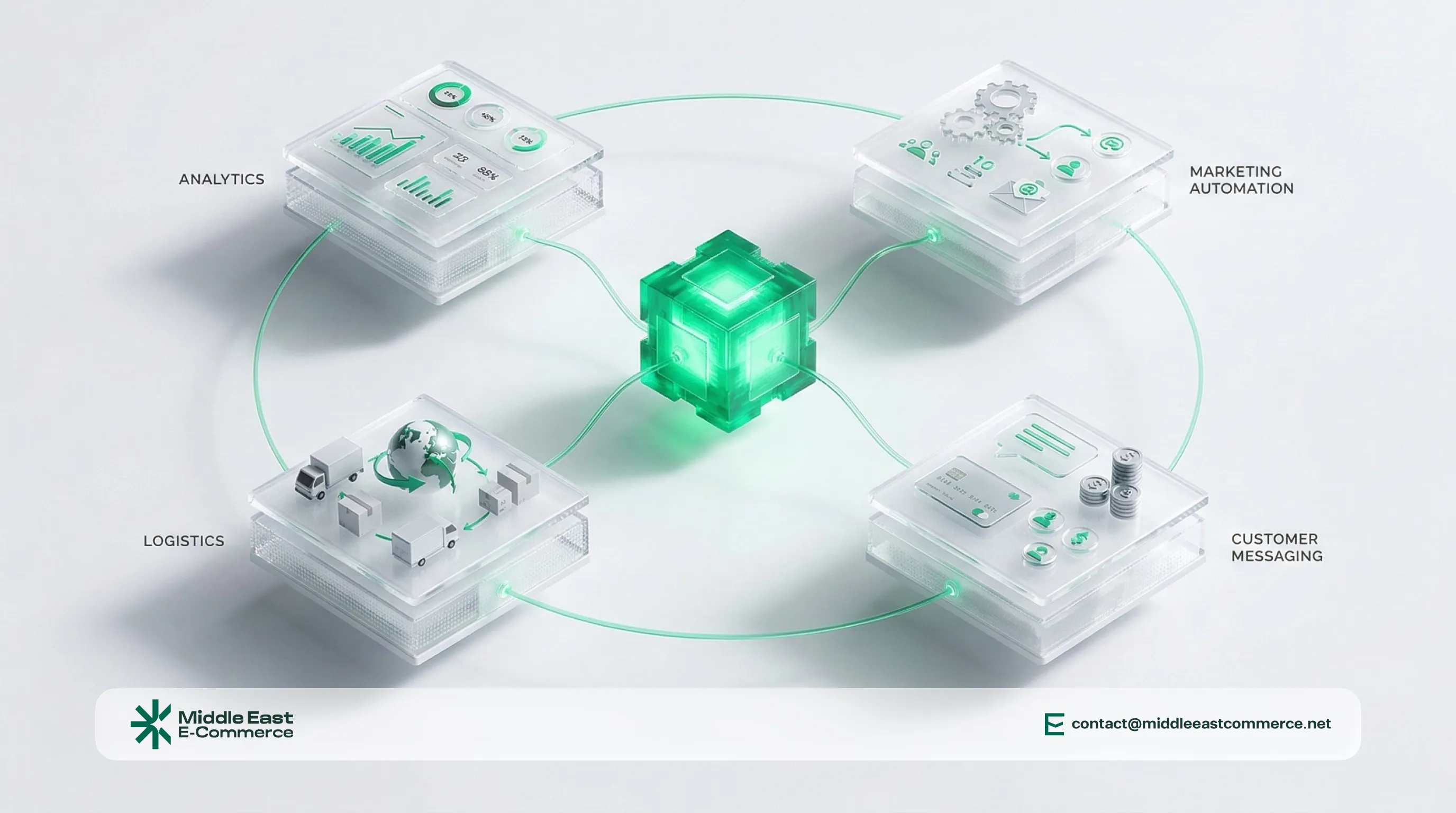
Using a platform like Middle East can simplify many challenges during peak seasons. By centralizing operations and providing actionable insights, it helps you focus on sales instead of juggling tools. This kind of support strengthens e-commerce seasonal strategies and gives your store a smoother path to higher revenue.
1- Unified operations to reduce tool fragmentation during peaks
Middle East integrates different parts of your store management—inventory, orders, and fulfillment—so you don’t need multiple tools. This reduces errors and saves time, supporting smoother e-commerce peak season sales.
2- In-platform communication that improves conversion confidence
Teams can communicate directly within Middle East, sharing updates and solving issues quickly. Clear communication helps maintain customer trust and improves e-commerce customer journey during busy periods.
3- Cross-border selling with fewer language barriers
Middle East provides features that simplify selling to international customers, including multilingual support. This opens new markets and helps your store increase how e commerce increase sales across borders during peak seasons.
4- Performance insights for faster in-season decisions
Real-time dashboards and analytics in Middle East show which products, offers, or campaigns are performing best. Quick insights allow you to adjust strategies mid-season, improving peak season campaign planning without guesswork.
FAQs About Peak-Season E-Commerce
1- What’s the best strategy to increase sales during peak seasons?
The most effective strategy is to plan early and combine multiple channels, including paid ads, email marketing, and social media. Focus on high-demand products, optimize your website for speed and mobile users, and create time-limited offers to drive urgency and conversions.
2- When should I start promotions and ads before a season?
It’s best to start preparing 4–6 weeks before the peak season. Begin with awareness campaigns, then gradually shift to conversion-focused ads closer to the season. Early planning helps you test campaigns and avoid high ad costs during peak competition.
3- How do I pick seasonal products without inventory risk?
Use past sales data, market trends, and customer behavior insights to forecast demand. Start with smaller quantities, test product performance, and rely on flexible suppliers when possible to avoid overstocking.
4- How can I increase sales without heavy discounts?
You can boost sales by offering bundles, free shipping, limited-time deals, or exclusive products instead of large discounts. Enhancing customer experience, using personalized offers, and creating urgency can also drive conversions without reducing margins.
Conversation
Comments
Be the first to comment.
Leave a comment