

If you’re selling online, understanding e-commerce taxation is one of the most important things you can do for your business.
Taxes aren’t just paperwork they affect how you price products, manage profits, and expand to new markets. From VAT on domestic sales to cross-border rules for international customers, knowing how taxes work for e-commerce helps you avoid fines, stay compliant, and make smarter decisions every day.
This guide will walk you through the key concepts, challenges, and practical steps you need to keep your business running smoothly in 2026.
Why E-Commerce Taxation Matters for Online Businesses?
If you sell products online, understanding e-commerce taxation is more important than you might think. Taxes aren’t just a legal requirement they can affect how you run your business every day.
For example, selling to customers in different regions may mean different tax rates, and missing a payment could lead to fines. Keeping track of taxes properly helps you avoid surprises and keeps your business running smoothly.
How taxes affect pricing, margins, and profitability?
Taxes influence how taxes work for e-commerce in very real ways. Let’s say you sell a product for $50 and there’s a 10% tax on top you need to decide if the customer pays it or if it comes out of your margin.
Getting it wrong can make your product too expensive or cut into your profits. Smart tax management means you can price fairly while keeping your earnings steady.
Why online selling creates more tax complexity than offline retail?
Selling online is more complicated than running a local shop. E-commerce cross-border tax rules are different for each country. Some countries require you to collect tax only after a certain sales threshold, while others want it from the first sale.
Marketplaces like Amazon or eBay may handle taxes for you, but you still need to know what’s required. Understanding these rules helps you avoid penalties and keeps your business compliant internationally.
How Taxes Work for E-Commerce (The Core Concepts)?
Running an online business means understanding the basics of e-commerce taxation. Taxes for online sellers can include sales tax, VAT, and sometimes local fees depending on where you sell.
In addition, knowing the core concepts helps you plan ahead and avoid surprises when tax season comes.
1- VAT / sales tax on online transactions
One of the main e-commerce taxation issues online sellers deal with is VAT for e-commerce. Value-added tax is usually added to the price of goods or services and collected from the customer.
For example, if you sell a $100 product and the VAT rate is 15%, your customer pays $115, and you later report and remit the $15 to the tax authorities. Understanding when VAT applies and how to calculate it accurately is key for staying compliant.
2- Corporate income tax vs transaction taxes (what’s the difference?)
It’s important to know the difference between e-commerce tax compliance for corporate income tax and transaction-based taxes like VAT or sales tax.
Corporate tax is calculated on your overall profits at the end of the year, while transaction taxes are collected on each sale. Mixing them up can cause errors in reporting and unexpected costs, so keeping records separate is essential.
3- Taxable vs non-taxable goods and services (high-level categories)
Not every product or service is taxed the same. How taxes work for e-commerce also depends on whether an item is taxable or exempt.
For example, in some countries digital downloads, certain food items, or medical products might have different tax rules. Knowing which category your products fall into helps you apply the correct tax rates and avoid penalties.
VAT and E-Commerce: What Sellers Need to Understand?
VAT for e-commerce is essential to know because it affects pricing, finances, and reporting. Understanding when VAT applies and how to track it helps avoid penalties and keeps your business running smoothly.
When VAT applies and what triggers registration obligations?
For online sellers, e-commerce taxation doesn’t apply to every sale automatically. VAT usually kicks in once your total sales in a country pass a set threshold. Each country sets its own limit, so you need to check local rules.
If you cross that line, you must register for VAT and start collecting it from customers. Staying on top of registration rules prevents fines and keeps your business compliant.
Output VAT vs input VAT and how it impacts cash flow
When dealing with VAT, it’s important to understand the difference between output VAT and input VAT. Output VAT is the tax you charge your customers, while input VAT is the tax you pay on goods and services you purchase.
The difference between the two determines how much you actually owe the tax authorities. Mismanaging this can cause cash flow problems, so careful tracking helps keep your finances smooth and predictable.
Invoicing basics and VAT recordkeeping requirements
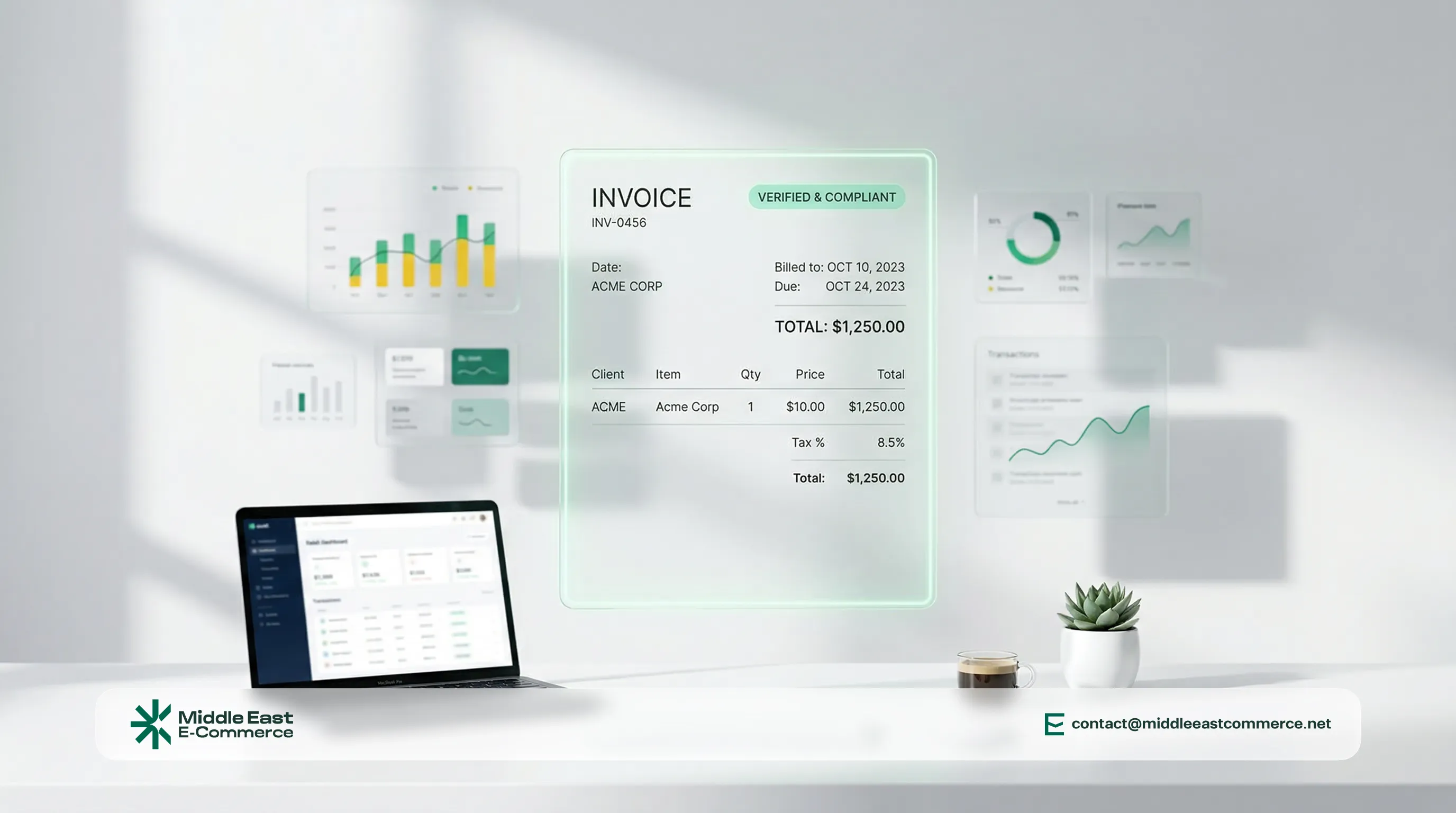
Keeping proper records is key to e-commerce tax compliance. Every invoice should clearly show the amount charged, the VAT collected, and the products or services sold. Good recordkeeping makes filing returns easier and protects you in case of audits.
Using simple digital tools or accounting software can help online sellers stay organized and save time while meeting tax obligations.
Cross-Border E-Commerce Taxes
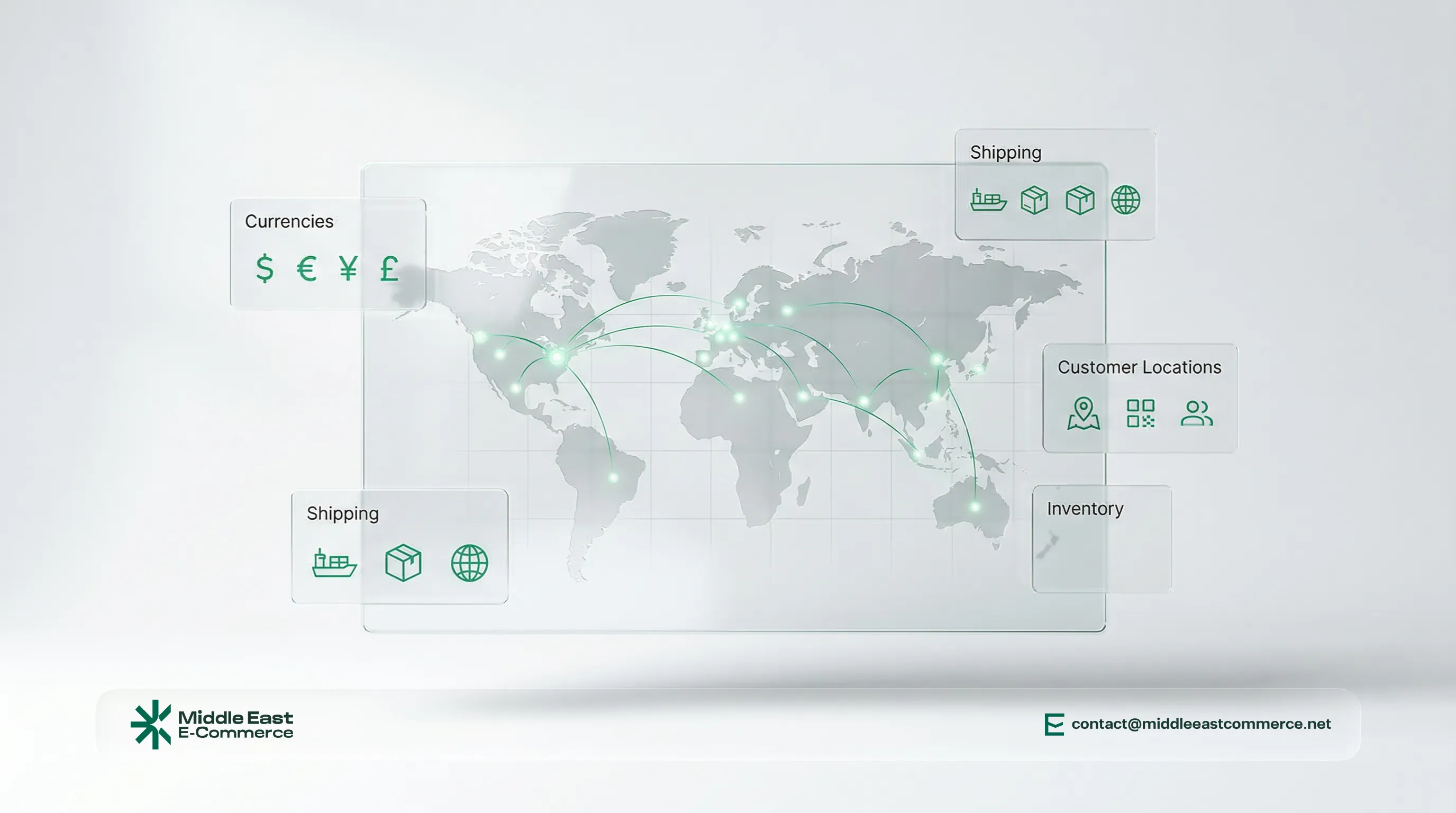
Selling internationally means dealing with e-commerce cross-border tax rules. Taxes often depend on where your customer is located, not where you are. Understanding these rules helps you know which taxes apply and avoid surprises at customs.
Destination-based taxation and customer location rules
In many countries, online sales use destination-based taxation, meaning the tax rate is based on the buyer’s location. This affects pricing and reporting, especially if you sell to multiple regions. Knowing where your customers are is key to charging the right amount.
Customs duties, import VAT, and who pays what (seller vs buyer)
When shipping products internationally, you might face VAT for e-commerce and customs duties. Sometimes the seller pays, sometimes the buyer, depending on shipping terms. Clear communication about who covers these costs avoids confusion and unhappy customers.
Digital services vs physical goods (why rules differ?)
Rules for taxes often differ between digital services and physical products. Digital downloads, subscriptions, or online courses may be taxed differently than items shipped from a warehouse. Knowing the distinction ensures you apply taxes correctly and stay compliant.
Marketplace and Platform Tax Rules
If you sell through online marketplaces, e-commerce tax compliance becomes a shared responsibility. Some platforms collect and remit taxes automatically, but sellers still need to track their own sales for reporting purposes.
When platforms collect and remit taxes vs when the seller remains responsible
Even if a marketplace handles tax, the seller must know when they’re still responsible. E-commerce taxation doesn’t disappear; it just shifts. Keeping records of transactions ensures you can report accurately and avoid penalties.
Documentation sellers still need even if the platform handles tax
Platforms may manage VAT or sales tax, but sellers still need proper documentation. Invoices, receipts, and transaction records are part of e-commerce tax compliance, and having them ready makes audits or reporting easier.
Multi-channel selling and the risk of inconsistent tax reporting
Selling across multiple websites or platforms can lead to mistakes in tax reporting. E-commerce cross-border tax rules apply differently on each channel, so keeping records consistent prevents fines and keeps your business organized.
The Most Common E-Commerce Tax Compliance Challenges
Running an online store comes with many tax responsibilities. E-commerce tax compliance can be tricky because rules vary by country, product type, and customer location. Understanding the common challenges helps sellers stay organized, avoid mistakes, and keep their business running smoothly.
Identifying customer location and correct tax treatment
One of the biggest challenges in e-commerce tax compliance is knowing where your customers are. Taxes often depend on location, so selling to the wrong region without adjusting rates can lead to mistakes and penalties.
Returns, refunds, discounts, and how they impact tax reporting
Handling returns, refunds, or discounts affects how taxes work for e-commerce. Each adjustment changes the taxable amount, so tracking them carefully ensures your reports remain accurate and your business avoids fines.
Multi-currency pricing and tax calculation accuracy
Selling in multiple currencies adds complexity to e-commerce taxation. Converting prices and calculating taxes accurately for each currency is essential to keep your financial records correct and maintain compliance.
Poor documentation: invoices, delivery proof, and audit trails
Incomplete invoices or missing delivery proof can cause serious issues. E-commerce tax compliance requires proper documentation to support every transaction, making audits and reporting much easier.
Compliance Setup: A Practical Approach
Setting up your store for proper tax management is essential. E-commerce taxation compliance isn’t just about following the law; it’s about creating a system that makes tracking, reporting, and filing taxes easier. A clear setup helps prevent mistakes and keeps your business running smoothly from day one.
Tax configuration inside your store (rates, rules, exemptions)
Setting up taxes correctly in your online store is critical. Configuring rates, rules, and exemptions ensures that VAT for e-commerce is applied automatically and reduces errors in customer billing.
Invoicing workflow and keeping an audit-ready trail
A clear invoicing workflow helps maintain e-commerce tax compliance. Recording every sale with invoices and receipts creates an audit-ready trail, which saves time and stress during tax reporting.
Monthly routines: reconciliation, reporting, and filing discipline
Consistent monthly routines are essential for staying on top of how taxes work for e-commerce. Reconciling accounts, reporting collected taxes, and filing returns on time ensures your business stays compliant and avoids surprises.
How E-Commerce Taxation Impacts Business Strategy?
When you sell online, taxes affect more than just what you pay they shape how you run your business. E-commerce taxation can influence how you set prices, calculate profits, and even plan for growth. If you understand the rules early, you can make smarter decisions without running into costly surprises later.
1- Pricing strategy: when “tax-inclusive” vs “tax-exclusive” matters
When you set your product prices, you need to decide if you want them tax-inclusive (the price your customers see already includes VAT) or tax-exclusive (tax is added at checkout).
This choice affects how customers perceive your prices and how much cash you actually receive. Knowing how taxes work for e-commerce in your region helps you pick the right approach so you don’t undercharge or confuse buyers.
2- Profit and unit economics: why ROAS is not profit
Just because your ads bring in revenue doesn’t mean you’re making a profit. Taxes can reduce what you actually earn on each sale. When you calculate unit economics, include VAT, sales tax, and any other fees.
Understanding e-commerce taxation ensures you see the real numbers behind your return on ad spend (ROAS) and avoid thinking you’re profitable when you’re not.
3- Growth planning: how tax complexity increases with cross-border expansion
If you start selling to customers in other countries, taxes get more complicated. E-commerce cross-border tax rules vary widely, and each country may have different registration requirements, rates, or exemptions.
Planning for these early helps you expand safely without facing fines or cash flow surprises, so your growth stays smooth and predictable.
The Role and Importance of E-Commerce in Business (Tax Perspective)
When you run an online business, it changes how you handle taxes and finances. Importance of e-commerce taxation in business shows up in how you track your sales, manage VAT, and stay ready for audits. Keeping your records organized helps you avoid trouble and makes your operations more reliable.
Why e-commerce pushes businesses toward better financial systems?
Selling online pushes you to keep your records accurate and up to date. Importance of e-commerce in business becomes clear when you see how having a solid financial system helps you calculate taxes correctly, plan your budget, and understand your real profits.
How compliance readiness improves trust with customers and partners?
Being ready for taxes and audits isn’t just about avoiding fines it helps you build trust. When you handle e-commerce tax compliance properly, your customers and partners feel confident doing business with you, and it encourages repeat business.
How Middle East Can Help Reduce Tax Operations Friction?
Using a platform like Middle East can make managing your online taxes much easier. It helps you stay organized, reduces mistakes, and cuts down on the extra work that usually comes with e-commerce tax compliance.
1- Centralized order and payment records to support reconciliation
When you keep all your orders and payments in one place, reconciliation becomes simple. E-commerce tax compliance gets easier because you can see all transactions clearly, match payments to invoices, and avoid errors during reporting.
2- Cleaner reporting and documentation to support compliance workflows
With better tools, you can generate clean reports and maintain proper documentation. This makes how taxes work for e-commerce straightforward, whether you’re filing returns or preparing for audits, saving you time and reducing stress.
3- Cross-border readiness with fewer operational handoffs
If you sell internationally, e-commerce cross-border tax rules can get complicated. Platforms like Middle East help you manage cross-border operations with fewer handoffs, so you can handle taxes across countries more efficiently and avoid delays or mistakes.
FAQs About E-Commerce Taxation
1- How does e-commerce taxation work online?
When you sell online, e-commerce taxation means you need to follow the tax rules for the regions where your customers are.
This can include VAT, sales tax, or other local taxes. You collect the right amount from your customers and then report it to the authorities, making sure your business stays compliant.
2- What’s the difference between VAT and income tax for e-commerce sellers?
VAT is charged on each sale you make, while income tax is calculated on your overall profit. Understanding how taxes work for e-commerce helps you separate these two, so you don’t mix up your obligations and end up with unexpected bills or fines.
3- How do taxes work for cross-border e-commerce?
E-commerce cross-border tax rules depend on your customer’s location, the type of product, and the country’s thresholds. You need to track these carefully to charge correctly and avoid penalties.
4- How does e-commerce taxation impact business profitability and growth?
Taxes affect your pricing, margins, and expansion plans. Knowing how taxes work for e-commerce helps you set the right prices, plan for profits, and scale your business safely without surprises or cash flow problems.
Conversation
Comments
Be the first to comment.
Leave a comment