
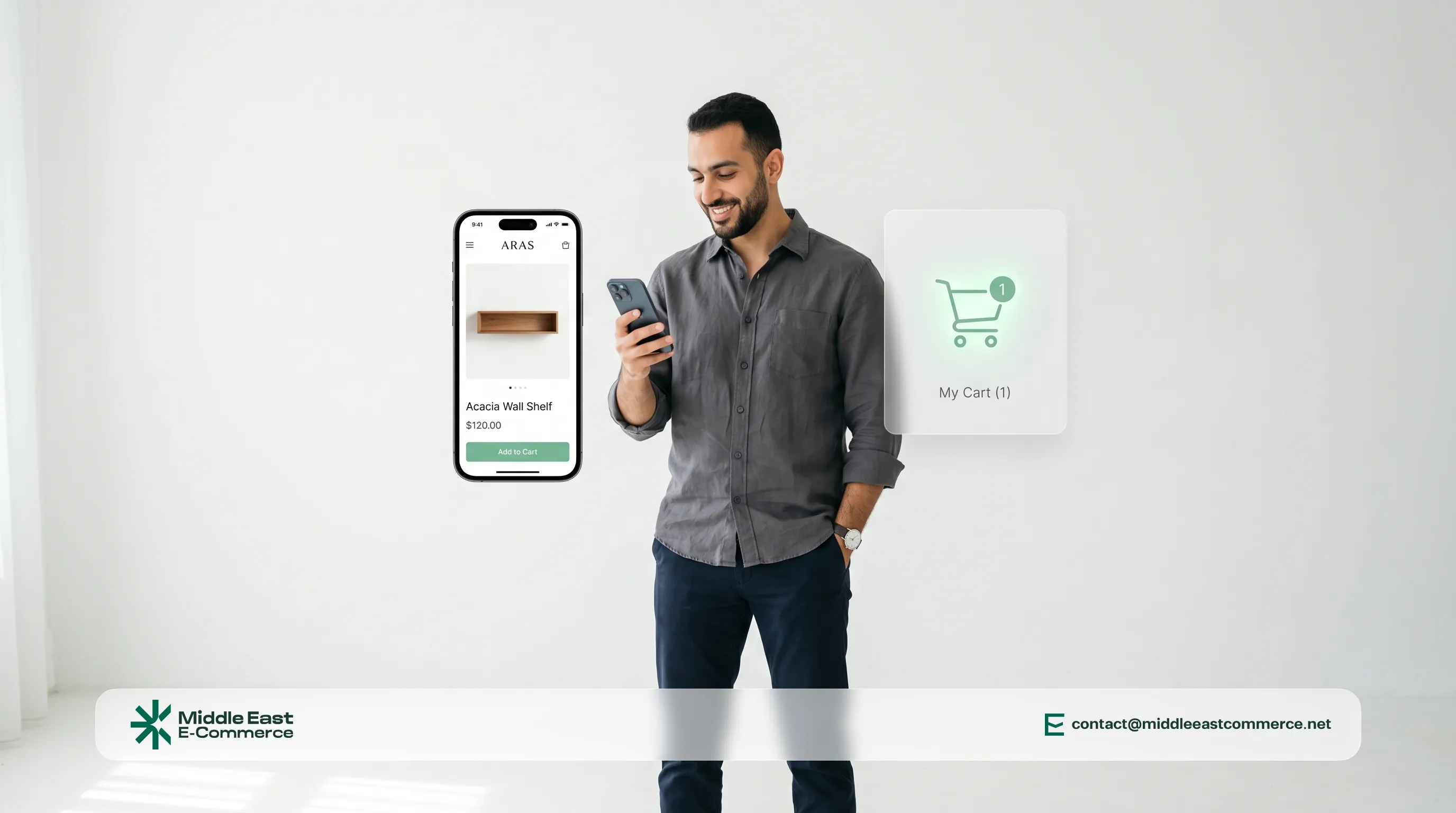
Data shows that the cart abandonment rate in MENA has reached 70.19%, reflecting significant losses faced by the e-commerce sector across the Middle East and North Africa.
These losses exceed $18 billion annually, meaning that the majority of users who add products to their shopping carts do not complete the purchase. This makes the cart abandonment rate in MENA one of the most critical challenges for online retailers in the region.
To better understand the impact, if your store generates daily sales of $100, the same user behavior associated with a high cart abandonment rate in MENA suggests that you could be losing up to an additional $233 per day due to incomplete purchases.
This gap highlights missed opportunities and indicates issues in user experience or conversion funnel performance, making the analysis of the cart abandonment rate in MENA essential for any digital business aiming for growth.
In this article, you will learn about the causes behind the high cart abandonment rate in MENA, the most effective strategies to reduce cart abandonment in e-commerce stores, the best methods to recover abandoned carts, as well as techniques to improve conversion rates in Gulf-based online stores.
Cart Abandonment Rate in MENA
The cart abandonment rate in MENA is defined as the percentage of users who add products to their shopping cart on an e-commerce website but leave before completing the checkout process.
It is considered one of the most important performance indicators in e-commerce, as it reflects the gap between purchase intent and actual transaction completion.
The cart abandonment rate in MENA stands at around 70.19%, slightly higher than the global average of 69.8% according to data from the Baymard Institute and Statista.
Although the difference may seem small, its impact in the Middle East and North Africa market is more significant, especially with the rapid growth of e-commerce and the increasing reliance of users on online shopping.
This higher cart abandonment rate in MENA highlights several regional challenges, such as low trust in some online stores, limited payment options, and high shipping costs.
These factors directly contribute to higher abandonment levels compared to more developed markets. It also indicates that improving the local user experience could significantly reduce the cart abandonment rate in MENA and increase conversion rates.
Customer Journey Stages Before Purchase
To better understand the causes of the high cart abandonment rate in MENA, it is important to analyze the user journey inside an e-commerce store, which typically goes through several key stages:
Awareness stage
The user first discovers the product or store through ads, search engines, or social media platforms.
Interest stage Consideration
The user begins comparing products, reading descriptions, and checking reviews, where the first impression of the store is formed.
Add to Cart stage
At this point, the user shows a clear purchase intention, and the impact of the cart abandonment rate in MENA starts to become more visible.
Checkout stage
This is the most critical phase, where most abandonment occurs due to complex checkout steps, unexpected costs, or payment issues, significantly increasing the cart abandonment rate in MENA.
Purchase stage
Reaching this stage means the store has successfully reduced the cart abandonment rate in MENA and converted the visitor into an actual paying customer.
Your guide to: MEEC Token - Redefining Digital Commerce Across the Middle East
Normal vs Recoverable Abandonment: Knowing the Difference
A high cart abandonment rate in MENA does not necessarily mean that all abandonment cases represent a real problem.
Cart abandonment is generally divided into two main types: natural abandonment, which cannot be fully avoided, and recoverable abandonment, which can be reduced through targeted user experience improvements.
1. Natural abandonment Natural Abandonment
This type occurs when users add products to their cart without an immediate intention to purchase. It often happens while customers are still in the research or comparison phase, or when they simply plan to return later to complete the purchase.
Although this behavior contributes to the overall cart abandonment rate in MENA, it is not considered a direct sign of a problem within the store.
2. Recoverable abandonment Recoverable Abandonment
This type represents the most valuable opportunity for optimization. It occurs when users leave despite having a clear purchase intent. It is often caused by issues such as a complicated checkout process, lack of suitable payment methods, or unexpected costs.
This category has the strongest impact on the cart abandonment rate in MENA, but it can be significantly reduced through better user experience design and simplified checkout flows.
Discover now: E-Commerce Taxation: How Taxes Work Online (2026)?
The 12 Reasons Gulf Shoppers Abandon Their Carts
Understanding the causes of cart abandonment is the key to reducing the cart abandonment rate in MENA. Data shows that most cases of Cart Abandonment in the Middle East are driven by specific issues that can be addressed to improve user experience and increase conversion rates in Gulf e-commerce stores.
Below are 12 key reasons, grouped into three main categories:
Group 1: Cost and Shipping Surprises
1. Unexpected shipping fees
One of the most common reasons for cart abandonment is additional shipping costs that appear suddenly at checkout. Users may feel ready to buy, but they abandon the purchase once they see unexpected delivery charges. This directly increases the cart abandonment rate in MENA, highlighting the importance of transparent pricing from the beginning.
2. High total cost
Even when shipping is clear, the final price may increase due to taxes or additional service fees. This often causes users to reconsider their purchase, raising the cart abandonment rate in MENA. Stores need strategies to reduce financial surprises and encourage completion of purchase.
3. Slow or unclear shipping options
Customers prefer knowing delivery times and shipping methods before purchasing. Any delay or lack of clarity leads to frustration and increases the cart abandonment rate in MENA. Improving shipping transparency and offering clear, fast options helps reduce abandonment and improve customer satisfaction.
Group 2: UX and Trust Barriers
4. Mandatory account creation
Forcing users to register before checkout is a major cause of abandonment, especially for customers seeking a fast shopping experience. Allowing guest checkout helps reduce the cart abandonment rate in MENA and improves conversion rates.
5. Slow website performance
Every extra second in page loading increases user frustration and raises the cart abandonment rate in MENA, especially in the Gulf where mobile shopping dominates. Improving site speed directly enhances conversion rates.
6. Lack of trust in the store
Missing security badges, customer reviews, or clear return policies increases hesitation and abandonment. Building trust through guarantees and verified reviews is essential to reduce the cart abandonment rate in MENA.
7. Poor user experience UX design
A confusing or complicated interface discourages users from completing purchases. Improving UX design reduces friction, lowers the cart abandonment rate in MENA, and increases conversion rates.
Group 3: Payment and Follow-Up Gaps
8. Limited payment options
Lack of preferred payment methods such as cash on delivery or digital wallets leads to lost sales and increases the cart abandonment rate in MENA. Offering multiple payment options improves completion rates.
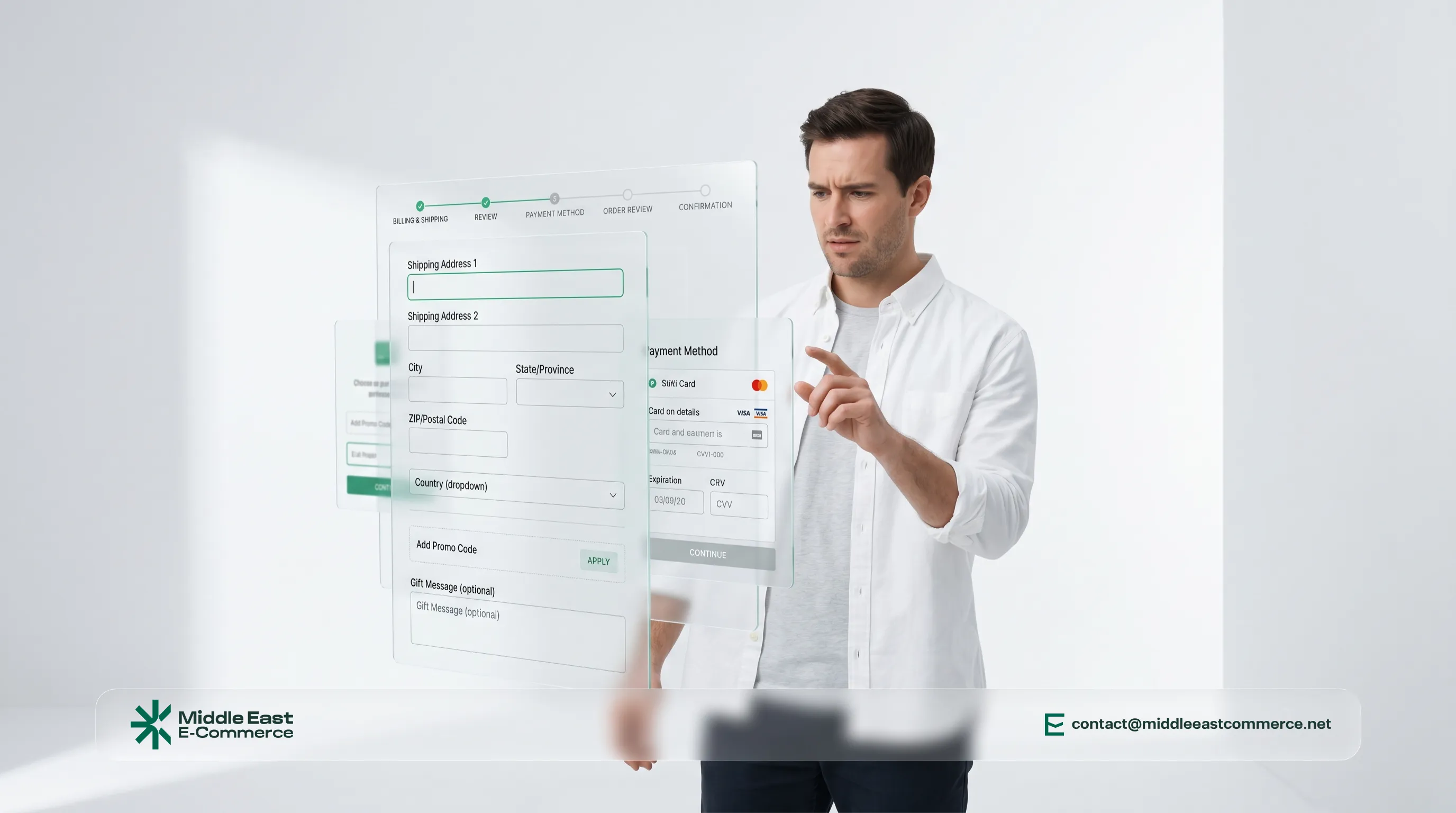
9. Complex checkout process
Long or complicated checkout forms cause frustration and increase abandonment. Simplifying the process reduces the cart abandonment rate in MENA and boosts conversions.
10. Technical issues during payment
Errors in payment gateways or unclear failure messages result in lost customers. Fixing technical issues and providing support reduces the cart abandonment rate in MENA.
11. No follow-up after abandonment
Failing to send cart recovery emails or reminders results in lost opportunities. Retargeting users is one of the most effective ways to reduce abandonment.
12. Lack of incentives to return
Without discounts or special offers, users are less likely to complete their purchase later. Incentives and promotions help lower the cart abandonment rate in MENA and improve conversion rates.

12 Proven Strategies to Reduce Cart Abandonment in Your Gulf Store
High cart abandonment rate in MENA represents a major challenge for e-commerce stores in the Gulf, as millions of dollars are lost every year due to customers leaving before completing their purchase.
To address this issue, abandoned cart recovery strategies have been developed to improve user experience, build trust, and simplify the checkout process, ultimately leading to a noticeable improvement in conversion rate in Gulf e-commerce stores.
In this section, we will explore 12 proven strategies, including checkout optimization, trust-building, automation, and abandoned cart messaging across multiple channels to re-engage customers and convert them into actual buyers.
Strategies 1–4: Checkout Optimisation and Pricing Transparency
1. Simplifying the checkout process
To reduce the cart abandonment rate in MENA, checkout steps should be minimized so customers can complete purchases easily. Offering a “guest checkout” option instead of forcing account creation reduces friction and increases completion rates.
For example, a Gulf fashion store reduced checkout steps from 7 to 3 and increased its conversion rate by 18%, demonstrating the effectiveness of abandoned cart recovery strategies.
2. Displaying shipping costs clearly from the start
Unexpected shipping fees are one of the main reasons for abandonment. Showing full costs early helps reduce surprises and lowers the cart abandonment rate in MENA. An electronics store in the Gulf added a live shipping estimator and reduced abandonment by 12%.
3. Offering multiple payment methods
Limited payment options increase abandonment. Adding local payment methods such as cash on delivery and digital wallets improves satisfaction and reduces the cart abandonment rate in MENA. A home goods store increased conversions by 10% after enabling COD.
4. Clearly showing return and refund policies
Lack of return information increases hesitation and contributes to Cart Abandonment in the Middle East. Displaying return policies during checkout builds trust and reduces the cart abandonment rate in MENA.
Strategies 5–8: Trust Signals and Experience Improvement
5. Improving website speed and UX
Slow loading times and poor navigation increase abandonment, especially on mobile devices. Optimizing performance reduces the cart abandonment rate in MENA and improves conversion rates. A fashion store improved load speed by 40% and increased conversions by 12%.
6. Displaying customer reviews and ratings
Reviews increase trust and reduce Cart Abandonment in the Middle East. This directly impacts the cart abandonment rate in MENA, as seen in an electronics store that increased order completion by 9% after adding real reviews.
7. Using security badges and trusted payment icons
Displaying SSL certificates and secure payment logos reassures customers and reduces abandonment caused by trust issues, lowering the cart abandonment rate in MENA by up to 7% in some cases.
8. Providing live support during checkout
A “Help Now” button or live chat reduces friction and confusion. This strategy helps lower the cart abandonment rate in MENA and improve conversion rates, as shown by a bookstore that increased conversions by 6%.
Strategies 9–12: Automation and Cart Recovery Flows
9. Email cart recovery campaigns
Abandoned cart emails are one of the most powerful tools to reduce the cart abandonment rate in MENA, reminding users within 1–3 hours and recovering up to 10–15% of lost customers.
10. SMS and WhatsApp reminders
In the Middle East, SMS and WhatsApp messages have higher engagement rates. Sending direct cart links helps reduce Cart Abandonment in the Middle East and recover lost sales effectively.
11. Push notifications
App or browser push notifications remind users about their abandoned carts, helping reduce the cart abandonment rate in MENA and increase engagement.
12. Incentives and discounts to encourage return
Offering discounts or free shipping can significantly reduce abandonment. A Gulf sports store offered a 10% discount on abandoned carts and recovered 20% of users, proving the effectiveness of abandoned cart recovery strategies and improving conversion rates.
Explore now: UAE Online Shopping Statistics 2026: 78% of the Population Shops Online
Recovery Channels: Which Converts Best in the Middle East?
To reduce the cart abandonment rate in MENA and increase purchase completion rates, abandoned cart recovery messages are one of the most effective tools. Choosing the right timing, crafting the right message, and using the most suitable channel can bring back a significant portion of lost customers.
Email Recovery: The Golden Timing & Sequence
Email recovery is the most common strategy for re-engaging customers. The optimal timing is usually 1–3 hours after cart abandonment, with a follow-up reminder after 24 hours if the purchase is still not completed.
Using a “golden sequence” a gentle reminder, followed by product benefits, and then an incentive such as a discount or free shipping — can help recover 10–15% of abandoned customers. This makes it a key part of abandoned cart recovery strategies and a direct way to reduce the cart abandonment rate in MENA.
SMS & WhatsApp: Highest Engagement in the Middle East
In the Middle East, SMS and WhatsApp messages show significantly higher response rates compared to email. Sending a short message with a direct link to the abandoned cart encourages customers to return quickly, helping reduce Cart Abandonment in the Middle East effectively.
Many Gulf-based stores have reported that WhatsApp recovery rates can reach 18–20%, highlighting the strong performance of this channel within abandoned cart recovery strategies.
Push Notifications: The Underrated Tool
Although less commonly used than email or messaging apps, push notifications are a highly effective yet often overlooked tool. Sending instant reminders via a mobile app or browser can re-engage customers who were close to completing their purchase, reducing the cart abandonment rate in MENA and increasing immediate engagement.
This strategy is especially powerful for stores with active mobile apps and is considered part of modern abandoned cart recovery strategies.

15-Point Store Audit Checklist: Are These Mistakes Costing You Sales?
A high cart abandonment rate in MENA is often the result of small but critical mistakes in user experience or checkout pages that are frequently overlooked. To identify weaknesses in your e-commerce store and increase order completion rates, we provide a 15-point actionable checklist. This list helps you detect revenue leaks, improve conversion rates in Gulf e-commerce stores, and implement more effective abandoned cart recovery strategies.
1. Display shipping costs upfront
Unexpected shipping fees significantly increase the cart abandonment rate in MENA. Showing all costs early in the checkout process creates transparency and reduces abandonment as part of abandoned cart recovery strategies.
2. Enable guest checkout
Forcing users to create an account is a major factor increasing abandonment. Allowing guest checkout improves user experience, reduces hesitation, and lowers the cart abandonment rate in MENA, while improving conversion rates.
3. Speed up website loading
Slow websites lead to higher Cart Abandonment in the Middle East. Optimizing load speed, compressing images, and enabling caching reduces the cart abandonment rate in MENA and improves UX.
4. Offer multiple payment options
Limited payment methods cause users to drop off. Adding local payment methods, cash on delivery, and digital wallets improves checkout experience and reduces the cart abandonment rate in MENA.
5. Clearly display return and refund policies
Lack of clarity reduces trust and increases abandonment. Transparent policies reduce Cart Abandonment in the Middle East and lower the cart abandonment rate in MENA.
6. Show security badges and trusted payment icons
Concerns about fraud or payment security increase abandonment. Displaying SSL certificates and trusted payment methods builds confidence and reduces the cart abandonment rate in MENA.
7. Display customer reviews and ratings
Lack of social proof increases hesitation. Adding real reviews reduces Cart Abandonment in the Middle East and improves conversion rates by lowering the cart abandonment rate in MENA.
8. Simplify the checkout process
Reducing form fields and steps makes checkout easier, directly lowering the cart abandonment rate in MENA and improving user satisfaction.
9. Provide live support during checkout
Live chat or “Help Now” buttons help resolve customer concerns instantly, reducing the cart abandonment rate in MENA and improving conversions.
10. Use email reminder campaigns
Sending recovery emails within 1–3 hours of abandonment helps recover a significant portion of users and reduces the cart abandonment rate in MENA.
11. Use SMS and WhatsApp reminders
Direct cart links sent via SMS or WhatsApp are highly effective in the region, reducing Cart Abandonment in the Middle East and lowering the cart abandonment rate in MENA.
12. Enable push notifications
Instant reminders via app or browser re-engage users and help reduce the cart abandonment rate in MENA, improving conversion rates.
13. Offer incentives for return
Discounts or free shipping encourage users to complete their purchase, significantly reducing the cart abandonment rate in MENA.
14. Optimize mobile user experience
Since most Gulf shoppers use mobile devices, improving mobile UX reduces the cart abandonment rate in MENA and increases conversions.
15. Run A/B testing on checkout pages
Testing different layouts and offers helps identify what reduces abandonment most effectively, lowering the cart abandonment rate in MENA and improving overall performance.
Learn now: MENA Ecommerce Report 2026: 25 Statistics That Define the Market
How a Middle East Platform Helps Reduce Cart Abandonment in MENA?
The Middle East platform offers a unified digital ecosystem for commerce, operations, communication, content, and analytics in one place, instead of relying on multiple tools and platforms that create complexity in the shopping experience and data management. It provides the following benefits:
Unified User Experience Unified UX
The platform provides a unified environment for managing the store, products, payments, and customer communication through a single system.
This reduces abandonment caused by a fragmented user journey or switching between different tools. A smoother experience helps lower the cart abandonment rate in MENA and increases shopper trust.
Integrated and Multiple Payment Options
By consolidating core commerce functions into one system, stores on the Middle East platform can easily integrate multiple payment methods, including online payments and digital wallets.
This addresses one of the major factors behind the high cart abandonment rate in MENA, while improving conversion rates in Gulf e-commerce stores by offering flexible payment options tailored to regional consumer preferences.
Real-Time Communication and Trust Building
Integrating communication channels and content within the same ecosystem allows stores to stay directly connected with customers, answer their questions instantly, and build stronger trust.
Frequently Asked Questions About Cart Abandonment Rate in MENA
What is the average cart abandonment rate in MENA?
Around 70.19%, according to Baymard Institute and Statista — slightly higher than the global average of 69.8%.
What are the most common cart abandonment causes in the Middle East?
The main reasons include unexpected shipping costs, forced account creation, and limited payment options, which are the top drivers of abandonment in the region.
How do I calculate my store's cart abandonment loss?
You can estimate it using the formula:
Sessions with cart items × abandonment rate × average order value = estimated monthly revenue loss
Based on Baymard methodology.
What are the fastest wins to reduce cart abandonment?
Enabling guest checkout, offering multiple payment methods, and eliminating surprise shipping costs can significantly reduce abandonment — by an estimated 20–35% according to Baymard data.
Conversation
Comments
Be the first to comment.
Leave a comment