

Recent UAE online shopping statistics 2026 show that around 78% of the population made an online purchase within the past month a striking figure that highlights just how deeply digital commerce has become embedded in everyday life across the country.
These UAE online shopping statistics 2026 clearly demonstrate that the UAE outperforms the global average, which typically ranges between 60% and 65%, positioning it among the most mature and rapidly adopting digital markets worldwide.
Online shopping is no longer just a convenient option; it has evolved into a fully established consumer behavior driven by seamless payment systems, fast delivery services, and strong trust in digital platforms. This shift raises an important question for every retailer: if most customers are already shopping online, is your business present where your audience actually is?
The latest UAE online shopping also confirm that significant opportunities still exist, especially as the market continues to expand and new consumer segments adopt online purchasing habits.
In this article, you will discover the size of the ecommerce market, consumer behavior trends, top-selling products, preferred payment methods, and practical steps to launch an online store in the UAE.
UAE Ecommerce Market Size 2026
Recent UAE online shopping statistics 2026 indicate that the country’s ecommerce market value has already exceeded $10 billion in 2026. These statistics highlight one of the fastest-growing digital retail markets in the region, with projections suggesting the market could reach between $14 billion and $16 billion by 2028, according to Statista.
This continued expansion reflects the ongoing strength of digital transformation across the UAE economy.
The same UAE online shopping statistics 2026 also show that this growth is not driven solely by an increasing number of online shoppers, but also by a noticeable rise in average spending per consumer, further reinforcing the market’s long-term potential and maturity.
Learn about: Why does Middle East include interactive content like Time of Echo?
UAE Online Shopping vs the GCC
Recent UAE online shopping statistics 2026 show that the UAE outperforms other GCC countries in terms of digital penetration, with an online shopping adoption rate of 78%. This is significantly higher compared to Kuwait at 65%, Qatar at 62%, and Saudi Arabia at 60%, making the UAE the most mature and attractive ecommerce market in the region.
These UAE online shopping statistics 2026 also highlight that this leadership is strongly supported by advanced digital infrastructure, high-speed internet coverage, and widespread smartphone usage. In contrast, some neighboring markets still face challenges related to delivery speed and the efficiency of digital payment systems.
In addition, the diversity of payment methods and the efficiency of logistics services in the UAE significantly enhance the overall user experience. This strengthens its position as the preferred market for global brands when compared to other GCC countries.
Discover now: E-Commerce Taxation: How Taxes Work Online (2026)?
UAE Online Shopping Statistics 2026: Who Shops, How and When?
Recent UAE online shopping statistics 2026 reflect a much clearer picture of consumer behavior, showing a growing reliance on digital devices—especially smartphones—as the primary channel for online purchases in the UAE.
Understanding average consumer spending in the UAE, along with identifying the most active shopper segments, helps businesses significantly improve the overall buying experience.
These UAE online shopping statistics 2026 also reveal strong opportunities for launching new products and digital services, while insights into the best-selling products in the UAE’s online market serve as a key tool for shaping effective sales strategies.
At the same time, the increasing importance of digital payments in the UAE plays a crucial role in simplifying transactions and attracting more customers.
Finally, the same UAE online shopping statistics 2026 highlight the value of taking practical steps such as starting an ecommerce store in the UAE, enabling businesses to reach customers more efficiently and compete effectively in a rapidly growing digital marketplace.
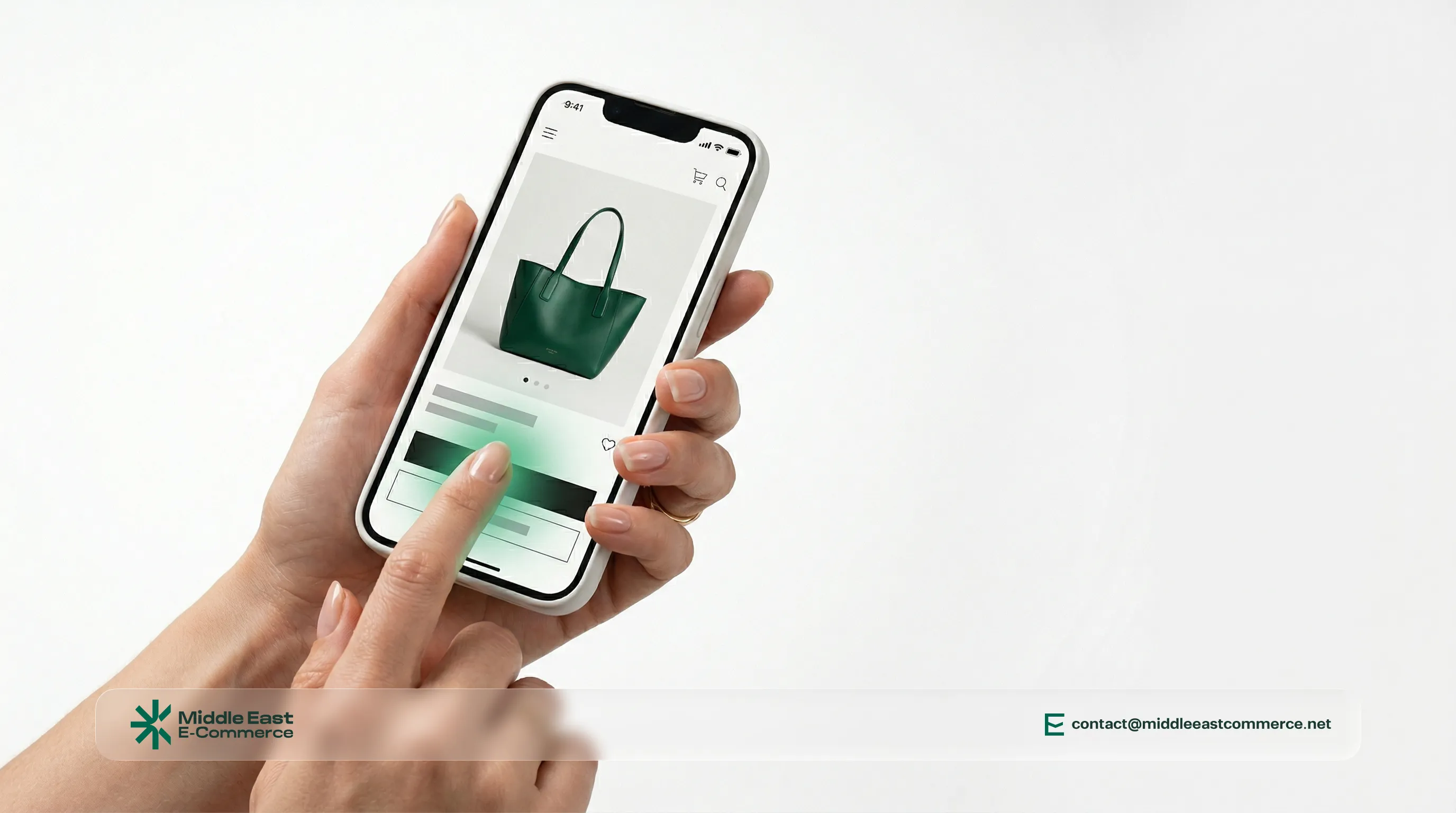
78% in the Past Month: Age, Gender and City Breakdown [GWI]
Recent UAE online shopping statistics 2026 indicate that 78% of residents made an online purchase within the past month, a rate that is higher than the global average reported by GWI. These UAE online shopping statistics 2026 also reveal that the most active consumer group is the 25–40 age segment, with a relatively balanced gender distribution.
In addition, the data shows a strong concentration of online shopping activity in major cities such as Dubai and Abu Dhabi. This makes these demographics the primary target audience for digital retailers, according to UAE online shopping statistics 2026.
Mobile-First: 80%+ of Orders Placed via Smartphone
Recent UAE online shopping statistics 2026 confirm that more than 80% of online orders are placed via mobile phones, according to GWI data. These statistics reflect a clear shift toward faster and more convenient shopping experiences, as consumers increasingly rely on smartphones for everyday purchases.
The same UAE online shopping statistics 2026 also show that the UAE strongly depends on smart applications and digital wallet payments, which not only increase purchase rates but also enhance customer loyalty and long-term engagement.
Average Annual Online Spend Per UAE Consumer [Mastercard]
Recent UAE online shopping statistics 2026 reveal that the average annual spending per consumer in the UAE reaches around $3,500, according to Mastercard data. These UAE online shopping statistics 2026 highlight the strong purchasing power of Emirati consumers and their high spending capacity compared to many global markets.
The same UAE online shopping statistics 2026 also show that consumer spending tends to increase significantly during seasonal sales and major shopping events, creating substantial opportunities for retailers to boost revenue and maximize sales performance.
Explore now: AI in E-Commerce: How AI Transforms Online Retail (2026)
Best-Selling Ecommerce Categories in the UAE
Recent UAE online shopping statistics 2026 show that the UAE digital market is clearly concentrated in a few high-performing sectors that dominate sales and attract the strongest consumer demand.
Understanding these categories helps retailers identify the best-selling products in the UAE online market and improve the overall shopping experience through digital payment systems in the UAE.
These UAE online shopping statistics 2026 can be summarized in the following sector breakdown:
Sector | Market Share | Leading Brands | Opportunity |
Electronics & Technology | Highest value | Apple, Samsung | Expansion in smart devices and connected tech |
Fashion & Luxury Goods | High | Gucci, Zara, H&M | Targeting premium and luxury consumers |
Food & Grocery | Fastest growing | Carrefour, Talabat | Subscriptions and rapid delivery services |
Overall, UAE online shopping statistics 2026 confirm that these sectors are the key drivers of ecommerce growth in the country, while UAE online shopping statistics 2026 continue to highlight strong opportunities for retailers to expand.
1-Electronics & Technology — The Highest-Value Category
Recent UAE online shopping statistics 2026 show that the electronics and technology sector leads online sales in terms of value, as consumers increasingly prefer purchasing smart devices, computers, smartphones, and connected home appliances.
These UAE online shopping statistics 2026 also reflect the high purchasing power of UAE consumers, especially within this category.
Global brands such as Apple and Samsung continue to present strong expansion opportunities, particularly as digital payment systems in the UAE make online transactions smoother and more convenient.
Overall, these UAE online shopping statistics 2026 highlight how technology-driven purchases remain a dominant force in the country’s ecommerce landscape.
2-Fashion & Luxury — The UAE's Defining Competitive Advantage
The statistics 2026 show that fashion and luxury goods are highly popular in the UAE, with strong demand for clothing, accessories, and perfumes.
These UAE online shopping statistics 2026 reflect the top-selling products in the UAE online market within this category, highlighting a strong opportunity for retailers to target the premium consumer segment.
At the same time, UAE online shopping statistics 2026 indicate that starting an ecommerce store in the UAE has become a strategic move for luxury brands, helping them expand their sales reach and connect with new customers in a highly competitive digital market.
3-Grocery & Food — The Post-COVID Permanent Shift
UAE online shopping statistics 2026 confirm that the food and grocery sector experienced the fastest growth after the COVID-19 pandemic, as consumers increasingly shifted toward ordering everyday essentials online.
These UAE online shopping statistics 2026 also indicate a rising demand for fast delivery and fully digital shopping services.
In addition, UAE online shopping statistics 2026 highlight strong opportunities for merchants to introduce innovative subscription models and flexible delivery options, supported by digital payment systems in the UAE to ensure a smooth and seamless shopping experience.
How UAE Shoppers Actually Pay?
UAE online shopping statistics 2026 reflect a major shift in Emirati consumer behavior toward digital payments, with increasing reliance on credit cards and digital wallets.
These UAE online shopping statistics 2026 show that understanding payment preferences is essential for merchants aiming to improve user experience, increase order completion rates, and ensure that digital payment options in the UAE align with customer needs.
Whether for first-time purchases or repeat orders, UAE online shopping statistics 2026 highlight that optimized payment experiences play a key role in driving customer satisfaction and long-term loyalty.
Discover now: MEEC Project: An Integrated Digital Economy Powered by the MEEC Token
1-Credit Cards at 65%+
UAE online shopping statistics 2026 indicate that credit cards dominate the digital payments landscape, with more than 65% of consumers using them to complete online purchases, according to Mastercard data. These UAE online shopping statistics 2026 reflect the growing reliance on digital payment systems in the UAE as a secure and fast option for transactions.
Merchants who enable card payments benefit from higher conversion rates and an improved customer experience, as UAE online shopping statistics 2026 highlight the importance of offering convenient and trusted payment methods to drive online sales.
2-Digital Wallets: Apple Pay and Google Pay Growing Fast
UAE online shopping statistics 2026 show that digital wallets such as Apple Pay and Google Pay are experiencing steady growth among consumers, driven by the need for faster and more secure payment methods. These UAE online shopping statistics 2026 reflect a clear shift in online shopping behavior in the UAE toward modern digital payment tools.
Integrating digital wallets into any ecommerce store significantly improves customer satisfaction and encourages repeat purchases, as UAE online shopping statistics 2026 highlight the increasing preference for seamless and frictionless checkout experiences.
3-Cash on Delivery: Still Present — Here Is Why That Matters
UAE online shopping statistics 2026 indicate that cash on delivery remains a widely used payment option, especially among first-time online shoppers or for high-value orders. These UAE online shopping statistics 2026 show that this method helps build consumer trust and reduces perceived risk when shopping online.
At the same time, UAE online shopping statistics 2026 highlight the importance of offering multiple payment options when starting an ecommerce store in the UAE, ensuring that the shopping experience meets the needs and preferences of all customer segments.
Social Commerce in the UAE: Instagram and TikTok Driving Direct Sales
UAE online shopping statistics 2026 show that social commerce has become one of the main drivers of digital sales growth in the UAE market, with both Instagram and TikTok playing a major role in influencing consumer purchasing decisions. These UAE online shopping statistics 2026 also highlight how these platforms enable brands to showcase products in a more interactive and engaging way, strengthening the UAE ecommerce market in 2026 and expanding access to new customer segments.
How does social commerce impact Emirati consumers?
UAE online shopping statistics 2026 indicate that social commerce has become a core factor in shaping consumer behavior in the UAE. Social media is no longer used only for entertainment, but has evolved into a powerful shopping and decision-influencing channel:
Visual and interactive content: Short videos and images significantly increase the likelihood of purchase, especially when showcasing best-selling products in the UAE online market directly on social platforms.
Recommendations and reviews: Users tend to rely on others’ experiences before buying, making social commerce an effective tool for building trust and boosting sales.
Reaching younger audiences: A large share of young consumers in the UAE are active on Instagram and TikTok, which reflects high online shopping adoption rates among this segment and creates strong opportunities for retailers to rapidly expand their customer base, according to UAE online shopping statistics 2026.
How to benefit from social commerce on Middle East Commerce platform?
The Middle East Commerce platform provides integrated tools for merchants looking to leverage social commerce in the UAE.
UAE online shopping statistics 2026 show that combining digital campaigns with the platform significantly improves reach, enabling faster and more effective access to potential customers, while also reflecting the growing importance of digital strategies in the UAE ecommerce market in 2026.
Key steps to leverage the platform:
1. Integrating digital campaigns with the platform
Using the Middle East Commerce platform allows merchants to design fully integrated campaigns and connect them directly with their ecommerce stores.
This makes it easier to reach targeted audiences and increase sales performance. UAE online shopping statistics 2026 indicate that such digital integration enhances the customer experience and boosts engagement with marketing content.
2. Facilitating digital payments
Connecting digital payment systems in the UAE directly with promotional content helps convert followers into actual customers more quickly. These UAE online shopping statistics 2026 reflect the high willingness of UAE consumers to use secure and seamless payment methods, which increases rates and reduces cart abandonen
3. Identifying best-selling products
Focusing on best-selling products in the UAE online market within campaigns increases the chances of success by leveraging already popular items. This approach improves campaign effectiveness and allows merchants to target high-performing product categories.
4. Tracking performance and optimizing results
Measuring engagement and sales generated from campaigns helps merchants continuously refine their strategies. UAE online shopping statistics 2026 also highlight that aligning campaigns with online shopping behavior in the UAE ensures maximum efficiency and better overall performance.
Challenges and Opportunities for New Merchants in the UAE
Many new merchants enter the UAE ecommerce market 2026 with strong enthusiasm, but they often face real challenges that can limit their growth if not handled strategically. UAE online shopping statistics 2026 indicate that the most significant challenges include:
Multiple digital platforms: Choosing a non-integrated platform makes it difficult to manage inventory and sales, while unified platforms provide solutions that connect selling, payments, and marketing in one place.
Diverse payment methods: Differences in consumer preferences between digital payments in the UAE and cash on delivery can lead to lost sales if multiple options are not offered.
Logistics and delivery: Weak shipping and fulfillment management results in poor customer experience, whereas integrated platforms offer tools to track orders and optimize the supply chain.
Digital marketing: Lack of knowledge about effective social commerce and advertising strategies can reduce success rates, while analytics tools help merchants measure and improve campaign performance.
Opportunities for new merchants in the UAE ecommerce market
Despite these challenges, UAE online shopping statistics 2026 highlight strong opportunities for new entrants who approach the market with a smart and well-structured strategy:
1. Leveraging unified platforms for easier management
Merchants using a unified system such as the Middle East Commerce platform can turn the challenge of platform fragmentation into an advantage by managing products, inventory, and sales from a single dashboard. This reflects the efficiency of the UAE ecommerce market 2026 and supports faster business growth.
2. Offering diverse payment options
What appears to be a challenge in payment diversity can become a growth opportunity by offering multiple methods, including digital payment systems in the UAE, cards, and digital wallets. UAE online shopping statistics 2026 show that flexible payment options, supported by strong consumer spending power, significantly increase conversion rates and repeat purchases.
3. Improving logistics and delivery experience
Weak delivery systems can be transformed into a competitive advantage through fast and flexible shipping solutions, enhancing customer satisfaction and loyalty. UAE online shopping statistics 2026 confirm that delivery experience plays a major role in repeat purchasing decisions and customer retention.
4. Smart digital marketing
Digital marketing challenges become opportunities when merchants adopt data-driven strategies such as social commerce and targeted campaigns on Instagram and TikTok. Online shopping behavior in the UAE shows that consumers respond more strongly to visual and interactive content, enabling new merchants to reach their target audience and grow sales rapidly, according to UAE online shopping statistics 2026.
Step-by-Step: How to Enter the UAE Ecommerce Market
Entering the UAE ecommerce market 2026 requires a clear and well-structured plan to ensure success for new merchants and maximize potential returns. UAE online shopping statistics 2026 show that following a defined set of steps significantly reduces risks while increasing growth opportunities.
1. Obtaining a legal license
Before starting, businesses must register their company and obtain the necessary e-commerce licenses in the UAE. This ensures compliance with local regulations and helps avoid future legal issues.
Licensing is a fundamental step for anyone planning to start an ecommerce store in the UAE in a professional and reliable way. UAE online shopping statistics 2026 highlight that structured market entry is a key factor in long-term success.
2. Choosing the right digital platform
Using a unified solution such as the Middle East Commerce platform simplifies product, inventory, and sales management. This allows merchants to focus more on market growth rather than technical complexities, highlighting the importance of digital integration in the UAE ecommerce market 2026.
UAE online shopping statistics 2026 confirm that integrated platforms significantly improve operational efficiency.
3. Setting up payment methods
Offering multiple payment options enhances the customer experience and increases conversion rates. Integration with digital payment systems in the UAE, credit cards, and digital wallets is recommended to meet all customer preferences.
Understanding average consumer spending in the UAE also helps in designing more effective pricing strategies. UAE online shopping statistics 2026 show that flexible payment systems directly boost purchase completion rates.
4. Organizing logistics and delivery
A reliable and efficient shipping system ensures fast and safe product delivery, which significantly improves customer satisfaction. The rising online shopping adoption in the UAE shows that consumers increasingly expect speed and efficiency, making logistics a critical success factor.
UAE online shopping statistics 2026 emphasize that delivery experience strongly influences repeat purchases.
5. Digital marketing and promotion
Using digital marketing strategies such as social commerce and targeted ads on platforms like Instagram and TikTok helps businesses reach their ideal customers and increase sales.
Incorporating best-selling products in the UAE online market into campaigns further improves conversion rates by leveraging existing product popularity. UAE online shopping statistics 2026 highlight the growing impact of social-driven purchasing behavior.
Frequently Asked Questions About UAE Online Shopping Statistics 2026
1-What percentage of UAE residents shop online?
Around 78% of residents made an online purchase in the past month, according to GWI — one of the highest penetration rates in the Arab region.
2-What are the most popular online shopping categories in the UAE?
Electronics, fashion and luxury goods, and food delivery services lead the market, followed by beauty and personal care products
3-Is ecommerce profitable in the UAE for regional merchants?
Yes. High income levels, strong digital adoption, and advanced infrastructure make the UAE one of the most profitable and high-return ecommerce markets for digital-ready businesses.
4-Do I need a licence to sell online in the UAE?
Yes. A valid trade licence is required to operate legally. Requirements vary depending on the business activity and emirate, and should be confirmed through the UAE Ministry of Economy or the relevant Department of Economic Development (DED).
Conversation
Comments
Be the first to comment.
Leave a comment