
If you want to succeed in e-commerce, it’s not enough to have a good product; you need to pick the right way to sell it. In 2026, there are many e-commerce business models, and each one works differently depending on your product, your customers, and how you run your business.
Selling directly to consumers through a D2C store gives you more control over pricing and branding, while a marketplace lets you reach a bigger audience without managing every product yourself. Subscriptions can provide a steady income, and dropshipping allows you to sell without keeping stock but each approach comes with its own challenges.
In this article, you’ll get a clear view of the main types of e-commerce models, see which ones tend to be most profitable, learn common mistakes to avoid, and understand how platforms like Middle East can make it easier to run multiple models at the same time. By the end, you’ll have a better sense of which approach fits your business and how to get started without unnecessary risk.
Why Your E-Commerce Business Models Matters More Than the Product?
Success in e-commerce depends not just on the product you sell, but on the e-commerce business models you use. The same product can make big profits in one model and barely break even in another. That’s why understanding each model’s mechanics is essential before investing time or money.
Why the same product can be profitable in one model and unprofitable in another?
A single product can perform very differently depending on the business model. For example, selling clothing through a dropshipping business model can cut inventory costs but may lower profit margins. On the other hand, owning stock and selling directly to consumers (D2C) may generate higher profits but comes with higher risks and upfront costs.
What Is an E-Commerce Business Model?
An e-commerce business model is basically the blueprint for how an online business makes money. It’s not just about selling a product; it’s about deciding who you sell to, how you reach them, and how the transactions happen.
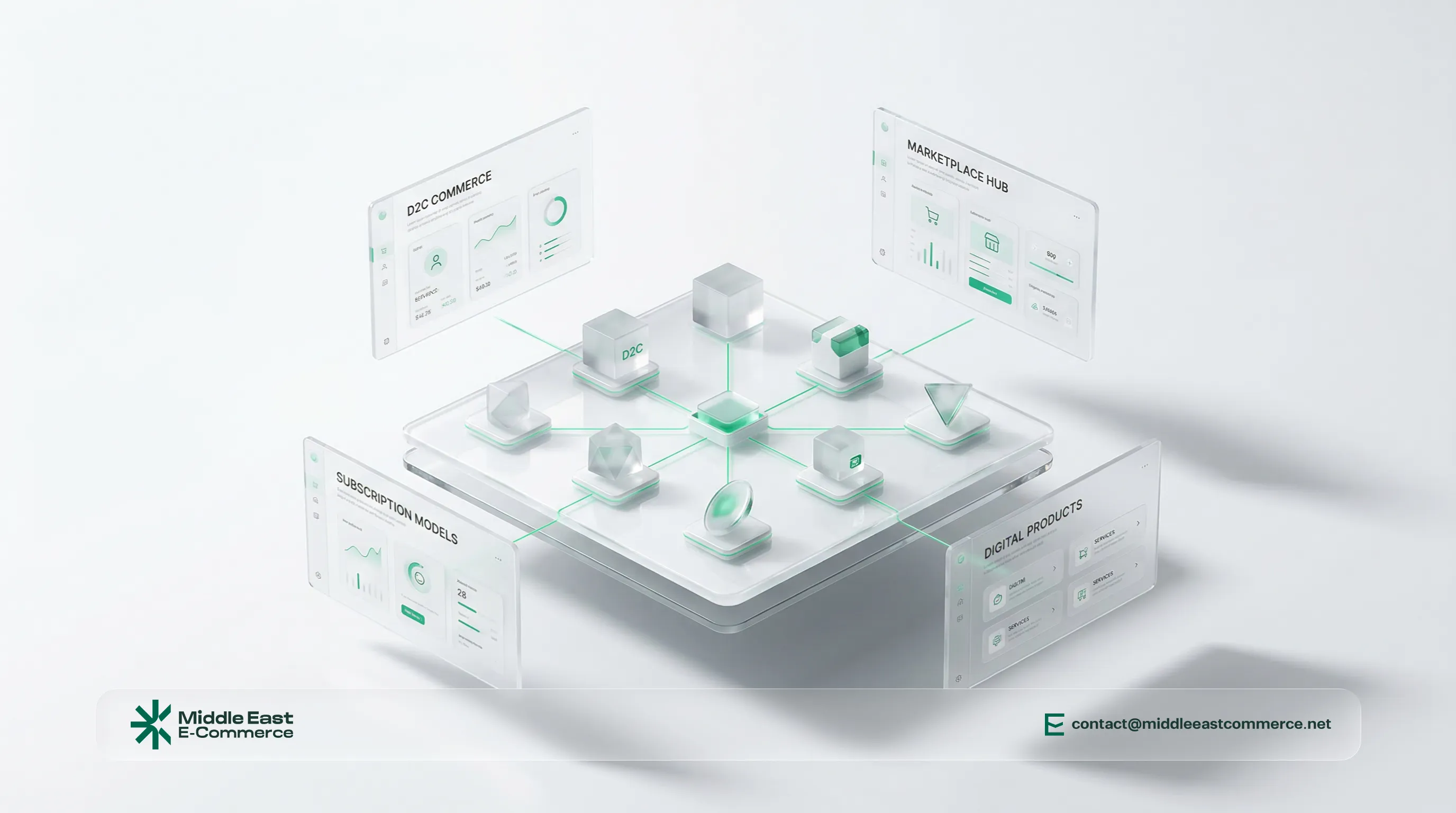
Business model vs revenue model vs pricing model
People often confuse e-commerce business models types with revenue and pricing strategies. The business model determines how you sell, the revenue model decides how you collect money, and the pricing model sets the product’s value for the customer. Knowing the differences helps you make smarter decisions.
How to choose a model based on product, market, and operations
Picking the right model depends on your product, target market, and operational capacity. Digital products, for instance, work well with a subscription e-commerce model because they provide recurring income. Physical goods may fit a marketplace or D2C model, depending on your storage, logistics, and customer reach.
Read more about: E-Commerce Seasonal Strategies: to Maximize Sales (2026)
The Main E-Commerce Business Models in 2026
E-commerce has grown a lot, and by 2026, there are many ways to sell online. Each model works differently, and the most profitable choice depends on your product, audience, and operations. Let’s break down the main types of e-commerce business models you’ll see today.
1- D2C (direct-to-consumer brand store)
A D2C e-commerce model lets brands sell straight to customers without middlemen. This gives you more control over pricing, branding, and customer experience. Many small and medium brands find it profitable because it builds loyalty and higher margins.
2- Online retail (buy-and-sell / reselling)
The online retail model involves buying products and reselling them at a markup. Known as e-commerce business models types in the industry, it’s simple to understand and works well for physical goods with steady demand.
3- Marketplace (multi-seller platform)
A marketplace business model e-commerce connects multiple sellers with buyers on one platform. Think of platforms like Amazon or Etsy. You earn through commissions or listing fees, and you don’t have to manage every product yourself.
4- Subscription (recurring orders)
Subscription models are built around repeat purchases, like monthly boxes or software plans. The subscription e-commerce model generates consistent income and builds long-term customer relationships.
5- Dropshipping (no inventory)
With a dropshipping business model, you sell products without holding inventory. When a customer buys, the supplier ships directly. It’s low-risk on storage costs but usually offers smaller profit margins.
6- Print-on-demand (made after purchase)
Print-on-demand lets you sell custom items that are only produced after someone orders. This is a type of e-commerce business model that eliminates inventory waste while letting you offer creative products like t-shirts, mugs, or posters.
7- B2B wholesale (bulk and repeat buyers)
B2B e-commerce focuses on selling in bulk to other businesses. A B2B e-commerce business model often involves larger orders, repeat customers, and negotiated pricing, which can lead to steady, predictable revenue.
8- Digital products (downloads, templates, courses)
Selling downloadable items like guides, templates, or online courses is another e-commerce business model. Costs are low once the product is created, and the potential for high margins is big.
9- Services (bookings, packages, retainers)
Some businesses sell services online instead of physical products. The e-commerce business model for services can include appointments, consulting packages, or retainers, allowing clients to pay online directly.
10- Affiliate/commission model (traffic → commission)
Some businesses sell services online instead of physical products. The e-commerce business model for services can include appointments, consulting packages, or retainers, allowing clients to pay online directly.
Your guide to: The best E-Commerce Solutions and Tools in 2026
Profitability Comparison Table (Reality-Based)
This table compares the main e-commerce models in 2026, showing their typical margins, ease of starting, and key advantages and risks.
Model | Speed to start | Typical margin | Operational complexity | Biggest advantage | Biggest risk |
D2C | Medium | High | Medium | brand control | inventory risk |
Online retail | High | Medium | Medium | quick setup | price competition |
Marketplace | Low | Variable | High | network effects | heavy operations |
Subscription | Medium | High | Medium | recurring revenue | churn |
Dropshipping | High | Low | Medium | no inventory | shipping experience |
Print-on-demand | Medium | Medium | Medium | no inventory | quality + lead time |
B2B wholesale | Medium | High | High | larger orders | long sales cycle |
Digital products | High | High | Low | high margin | trust + competition |
Services | High | High | Medium | value-based pricing | delivery capacity |
Affiliate | High | Variable | Low | no operations | platform dependency |
Which E-Commerce Business Models Are Most Profitable?
Profitability depends on how well a business model balances margins, volume, and customer behavior.
1- The drivers that decide profitability (margin, CAC, returns, repeat rate)
Profitability isn’t just about selling more it’s about the margin you make on each sale, the cost to acquire each customer (CAC), how often products are returned, and whether customers keep coming back.
Even a high-selling product can be unprofitable if margins are low or returns are frequent. Conversely, a model with higher margins and loyal repeat buyers can make more profit with fewer sales.
2- Models with high margin vs models with high volume
Some e-commerce models focus on high-margin products, meaning each sale brings significant profit. D2C stores or digital products often fit this model.
Others focus on high volume, like marketplaces or online retail, where profits come from selling lots of products even if each has a smaller margin. The choice depends on your product type, operations, and how easily you can scale.
3- When subscription wins vs when B2B wins vs when D2C wins
Different business situations favor different models. Subscription e-commerce models work best for products people use repeatedly, providing steady, predictable income. B2B models succeed when selling in bulk to other businesses, often with recurring orders and long-term contracts.
D2C e-commerce models shine when brand control, pricing, and customer loyalty are key, especially for premium or niche products. Knowing your audience and product type helps determine which model will be most profitable.
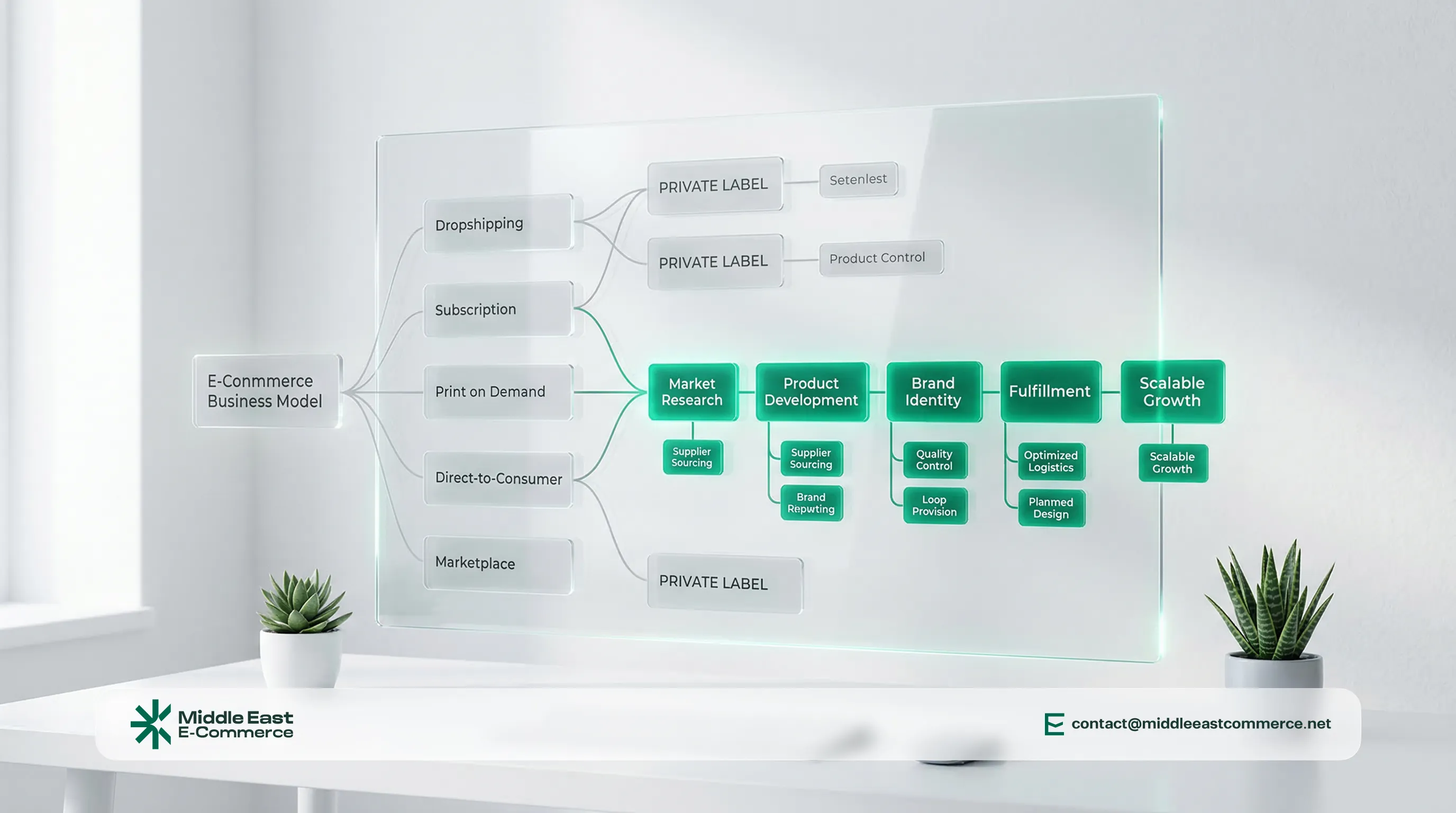
Cross-Border E-Commerce Business Models
Cross-border e-commerce models let businesses reach international customers, but require careful planning for trust, delivery, and costs.
1- Cross-border D2C with localized trust and delivery
Selling directly to international customers works best when you adapt to local expectations. A D2C e-commerce model allows you to control payments, shipping, and customer service, building trust in new markets.
2- Marketplace expansion across regions
Expanding your platform internationally can be easier through marketplaces. A marketplace business model e-commerce connects multiple sellers to buyers, letting you scale without handling every product yourself, but you still need to manage local regulations and logistics.
3- International dropshipping realities (cost, timing, disputes)
Cross-border dropshipping can be low-risk but comes with challenges. The dropshipping business model may face high shipping costs, longer delivery times, and disputes with customers, which can impact profitability if not carefully managed.
How to Choose the Right Model for Your Business
Choosing the right model means matching your product, market, and resources to a business approach that fits your goals.
1- Key questions to answer before committing
Before picking a model, ask yourself about your product type, target market, operational capacity, and customer expectations. Understanding these factors helps identify the types of e-commerce business models that suit your situation.
2- A simple decision framework (capital, time, skills, risk tolerance)
Consider how much capital you have, the time you can invest, your skills, and how much risk you can tolerate. This framework helps match your resources to the right e-commerce business models types for sustainable growth.
3- The “start lean” approach: prove one model before adding another
Instead of launching multiple models at once, start with one and test it. A D2C e-commerce model or small marketplace experiment allows you to learn quickly and minimize risk before expanding into other models.
Revenue Models Inside E-Commerce (How You Actually Make Money)
Revenue models show the real ways e-commerce businesses earn money beyond just selling products.
1- Margin on products
One of the simplest ways to earn is through the e-commerce business models types that focus on product margins selling items for more than they cost to produce or source. This is common in D2C and online retail.
2- Commission per sale
Marketplaces often make money by taking a commission per sale from sellers. This allows the platform to generate revenue without holding inventory, but depends on high transaction volume.
3- Subscription fee
Recurring revenue comes from subscription e-commerce models, where customers pay regularly for products or services, giving predictable cash flow and stronger customer relationships.
4- Add-ons and upsells
Many businesses increase profit through add-ons and upsells, offering extra products or premium features during checkout. This works well in D2C stores, digital products, and service-based models.
5- Advertising and sponsored placements (for marketplaces)
Marketplaces often earn additional revenue by offering advertising and sponsored placements, letting sellers pay for better visibility or featured listings to boost sales.
4Common Mistakes When Choosing E-Commerce Business Models
Many businesses fail by choosing a model without considering costs, complexity, and real profit potential.
1- Picking based on hype instead of unit economics
One common mistake is choosing a model just because it’s trendy. Focus on unit economics how much profit each sale actually generates rather than following the latest craze.
2- Underestimating operational complexity
Some models, like marketplaces or B2B, involve hidden complexities. Failing to account for operational complexity can hurt profitability and customer experience.
3- Scaling before validating demand and conversion
Growing too quickly without testing your market first is risky. Make sure your conversion rates and demand are proven before investing heavily in scaling.
4- Treating ROAS as profit
Return on ad spend (ROAS) measures revenue from marketing, not actual profit. Treating it as profit can be misleading, especially in models with high fulfillment costs or returns.
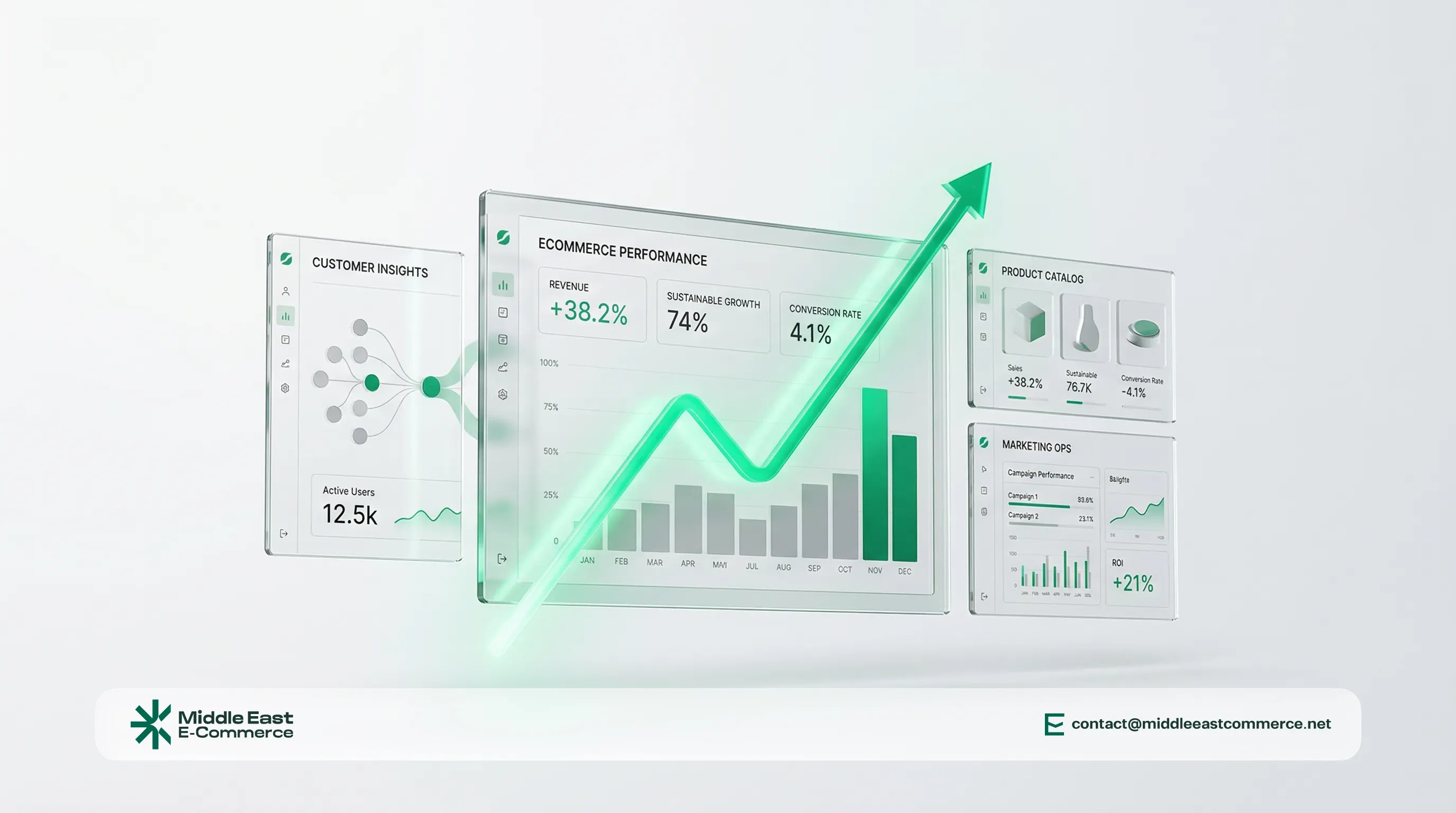
How Middle East Helps You Run Multiple Models More Smoothly?
Middle East helps businesses manage multiple e-commerce models efficiently with unified tools, communication, and analytics.
1- Unified operations that reduce tool fragmentation
Middle East provides a single platform to manage different e-commerce business models, so you don’t need multiple tools for inventory, orders, and payments. This makes operations simpler and faster.
2- Communication inside the platform to speed deal closure
Built-in messaging and collaboration features allow teams and sellers to communicate directly. This helps close deals faster and keeps all interactions inside the e-commerce business models types you use.
3- Cross-border readiness with fewer language barriers
Middle East supports multiple regions and languages, making it easier to manage cross-border e-commerce business models. This reduces misunderstandings and improves customer trust internationally.
4- Insights to optimize model performance over time
The platform provides analytics and reports so you can track which models are performing best. Using these insights helps you refine each e-commerce business model and maximize revenue over time.
FAQs About E-Commerce Business Models
What are the main types of e-commerce business models?
The main types include D2C (direct-to-consumer), online retail/reselling, marketplaces, subscriptions, dropshipping, print-on-demand, B2B wholesale, digital products, services, and affiliate/commission models. Each has its own way of generating revenue and serving customers.
Which e-commerce business model is most profitable?
Profitability depends on your product, market, and operations. High-margin models like D2C, subscriptions, and digital products tend to be more profitable per sale, while high-volume models like marketplaces and online retail can generate profit at scale.
What is a cross-border e-commerce business model?
A cross-border e-commerce business model sells products internationally, adapting to local languages, payments, shipping, and regulations to reach customers in multiple regions.
How do you choose between marketplace, subscription, and dropshipping?
Choose based on your product and business goals: subscriptions are best for repeat purchases, marketplaces for wide exposure and multiple sellers, and dropshipping when you want to sell without holding inventory.
Conversation
Comments
Be the first to comment.
Leave a comment